Hey there! I’m a supplier of stamped metal parts, and today I wanna chat about the welding properties of these parts. It’s a topic that’s super important for anyone involved in manufacturing or using stamped metal components. Stamped Metal Parts
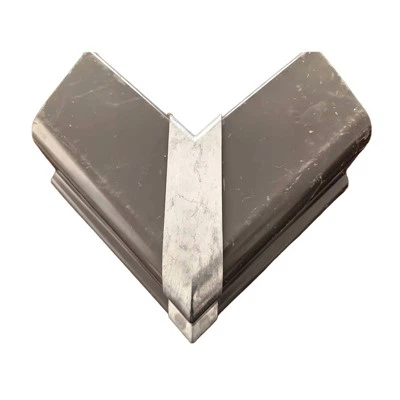
First off, let’s talk about what makes stamped metal parts so great for welding. Stamped metal parts are made by pressing a sheet of metal into a specific shape using a stamping die. This process creates parts that are very precise and have a consistent thickness. That consistency is key when it comes to welding because it ensures that the heat is distributed evenly across the part, which leads to a stronger weld.
One of the main welding properties of stamped metal parts is their weldability. Weldability refers to how easily a metal can be welded without developing defects like cracks or porosity. Most stamped metal parts are made from materials like steel, aluminum, or stainless steel, all of which have good weldability. For example, mild steel is a popular choice for stamped parts because it’s easy to weld and has good strength. It can be welded using a variety of methods, such as MIG (Metal Inert Gas) welding, TIG (Tungsten Inert Gas) welding, and stick welding.
Aluminum is another common material for stamped parts. It’s lightweight and has excellent corrosion resistance, but it can be a bit trickier to weld than steel. Aluminum has a high thermal conductivity, which means it dissipates heat quickly. This can make it difficult to maintain a stable weld pool. However, with the right welding techniques and equipment, aluminum stamped parts can be welded successfully. TIG welding is often the preferred method for aluminum because it allows for precise control of the heat input.
Stainless steel is also widely used in stamped metal parts. It has great corrosion resistance and is often used in applications where hygiene and durability are important, like in the food and beverage industry or medical equipment. Stainless steel can be welded using similar methods as steel, but it requires a bit more care. The high chromium content in stainless steel can cause oxidation during welding, which can lead to the formation of a brittle layer. To prevent this, special welding techniques and filler materials are often used.
Another important welding property is the strength of the weld. The strength of a weld depends on several factors, including the type of metal, the welding method, and the quality of the welding process. When welding stamped metal parts, it’s crucial to ensure that the weld has the right strength for the application. For example, if a stamped part is going to be used in a high-stress environment, the weld needs to be strong enough to withstand the forces it will be subjected to.
The heat-affected zone (HAZ) is also an important consideration when welding stamped metal parts. The HAZ is the area of the metal that is affected by the heat of the welding process but not melted. The properties of the metal in the HAZ can change due to the heat, which can affect the strength and durability of the part. For example, in some cases, the HAZ can become harder and more brittle, which can increase the risk of cracking. To minimize the impact of the HAZ, it’s important to control the heat input during welding.
Now, let’s talk about some of the challenges we face as a stamped metal parts supplier when it comes to welding. One of the biggest challenges is ensuring that the parts are properly prepared for welding. This includes cleaning the parts to remove any dirt, oil, or oxide layers that could affect the quality of the weld. We also need to make sure that the parts are aligned correctly before welding to ensure a strong and consistent weld.
Another challenge is dealing with different thicknesses of stamped metal parts. When welding parts of different thicknesses, it can be difficult to ensure that the heat is distributed evenly. This can lead to problems like overheating or underheating in certain areas, which can affect the quality of the weld. To overcome this challenge, we often use special welding techniques and equipment that allow us to control the heat input more precisely.
As a supplier, we’re always looking for ways to improve the welding properties of our stamped metal parts. We invest in the latest welding technology and equipment to ensure that we can produce high-quality welds. We also work closely with our customers to understand their specific requirements and provide them with the best solutions.
If you’re in the market for stamped metal parts and are interested in learning more about their welding properties, or if you have a specific project in mind, I’d love to hear from you. We have a team of experts who can help you choose the right materials and welding methods for your application. Whether you need a small batch of custom parts or a large production run, we can provide you with high-quality stamped metal parts that meet your needs.

So, if you’re ready to take your project to the next level, don’t hesitate to reach out. Let’s have a chat about how we can work together to create the perfect stamped metal parts for your application.
Stamped Parts References:
- ASM Handbook, Volume 6: Welding, Brazing, and Soldering
- Welding Metallurgy and Weldability of Stainless Steels by John C. Lippold and David J. Kotecki
- Aluminum Welding: Principles and Practices by John C. Lippold and David J. Kotecki
Yuyao Aozhou Metal Products Co., Ltd.
We are one of the most experienced stamped metal parts manufacturers and suppliers in China. With a professional production team, we are able to meet the needs of the majority of our customers. Please rest assured to buy customized stamped metal parts made in China here from our factory.
Address: No.6, Nanbailonggang, Wuma Industrial Zone, Lubu Town, Yuyao City
E-mail: xqr-2316@163.com
WebSite: https://www.cnaozhou.com/
