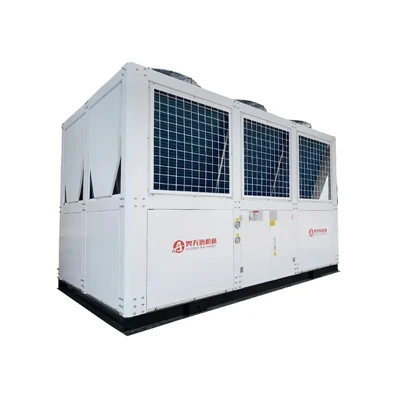
Selecting the right chiller unit for cold storage facilities is a critical decision that can significantly impact the efficiency, reliability, and cost – effectiveness of your operations. As a chiller unit supplier with years of experience in the industry, I understand the complexities and challenges that come with this selection process. In this article, I’ll share some key factors to consider when choosing a chiller unit for your cold storage needs. Chiller Unit
Refrigeration Capacity
One of the most fundamental aspects when selecting a chiller unit is determining the appropriate refrigeration capacity. This capacity is measured in tons of refrigeration (TR), where one ton of refrigeration is equivalent to the amount of heat required to melt one ton of ice at 0°C in 24 hours (approximately 12,000 BTU per hour).
To calculate the required refrigeration capacity for your cold storage facility, you need to consider several factors. Firstly, the size of the storage space is crucial. Larger cold storage areas will generally require higher – capacity chiller units. You also need to account for the heat load generated by the stored products. Different products have different heat generation rates. For example, fresh produce may release heat during respiration, while frozen goods may require less additional cooling once they are at the desired temperature.
The ambient temperature of the facility’s location also affects the heat load. In regions with high ambient temperatures, the chiller unit will need to work harder to maintain the desired cold storage temperature. Additionally, the frequency of door openings and the amount of air infiltration can increase the heat load. If the cold storage is frequently accessed, more heat will enter the space, and a larger – capacity chiller unit may be necessary.
Energy Efficiency
Energy efficiency is another vital factor in chiller unit selection. A more energy – efficient chiller unit can significantly reduce operating costs over the long term. When evaluating energy efficiency, look for the Energy Efficiency Ratio (EER) or the Coefficient of Performance (COP).
The EER is the ratio of the cooling capacity (in BTU per hour) to the power input (in watts). A higher EER indicates better energy efficiency at a specific operating condition. The COP, on the other hand, is the ratio of the cooling effect to the energy input. It is a more comprehensive measure and is often used for evaluating chiller performance under different operating conditions.
Modern chiller units often come with advanced features that enhance energy efficiency. For example, variable – speed drives (VSDs) can adjust the compressor speed according to the actual cooling demand. This means that the chiller can operate at lower speeds when the cooling load is low, resulting in significant energy savings. Additionally, some chiller units use intelligent controls that optimize the operation based on factors such as ambient temperature, cold storage temperature, and product load.
Chiller Type
There are several types of chiller units available in the market, each with its own advantages and disadvantages. The two main categories are air – cooled chillers and water – cooled chillers.
Air – cooled chillers are relatively easy to install and require less maintenance compared to water – cooled chillers. They are also more suitable for smaller cold storage facilities or locations where a water supply is limited. However, air – cooled chillers are generally less energy – efficient than water – cooled chillers, especially in hot climates. This is because the heat rejection process in air – cooled chillers is less efficient, and the compressor has to work harder to maintain the same cooling capacity.
Water – cooled chillers, on the other hand, are more energy – efficient, especially in large – scale cold storage facilities. They use water as a cooling medium, which allows for better heat transfer and a more effective heat rejection process. However, water – cooled chillers require a reliable water supply and a cooling tower system for heat dissipation. This can increase the initial installation cost and the complexity of maintenance.
Besides these two main types, there are also absorption chillers. Absorption chillers are powered by heat rather than electricity, which can be an advantage in facilities where there is a surplus of waste heat. They are often used in industrial applications or in conjunction with district cooling systems.
Temperature Control
Precise temperature control is essential for cold storage facilities. Different products have different temperature requirements, and maintaining a stable temperature is crucial for preserving product quality and safety.
When selecting a chiller unit, look for one with advanced temperature control capabilities. Some chiller units come with digital controls that allow for accurate temperature setting and monitoring. These controls can also adjust the chiller operation based on the temperature fluctuations in the cold storage space.
In addition to temperature control, it is also important to consider humidity control. High humidity levels in cold storage can lead to issues such as condensation, which can damage the stored products and the storage infrastructure. Some chiller units are equipped with dehumidification features to maintain the appropriate humidity level in the cold storage environment.
Reliability and Maintenance
A reliable chiller unit is essential for the continuous operation of cold storage facilities. Unplanned downtime can result in significant losses due to product spoilage. When choosing a chiller unit, consider the reputation of the manufacturer and the reliability of the unit’s components.
Reputable manufacturers often use high – quality components and have a rigorous quality control process during production. They also offer comprehensive after – sales services, including installation, maintenance, and repair.
Maintenance requirements are another important aspect to consider. Regular maintenance is necessary to ensure the optimal performance and longevity of the chiller unit. Some chiller units are designed for easy maintenance, with features such as accessible components and self – diagnostic systems. These features can reduce the maintenance time and cost.
Cost
The cost of the chiller unit is a significant factor in the selection process. It includes not only the initial purchase price but also the operating cost, maintenance cost, and potential repair cost over the unit’s lifespan.
When comparing the costs of different chiller units, it is important to consider the total cost of ownership (TCO) rather than just the upfront cost. A unit with a lower purchase price may have higher operating costs or require more frequent maintenance, resulting in a higher TCO in the long run.
In addition, some chiller units may be eligible for energy – efficiency incentives or rebates from local governments or utilities. These incentives can help offset the initial cost and reduce the payback period for the purchase.
Compatibility with Existing Systems
If you are upgrading or expanding an existing cold storage facility, it is important to consider the compatibility of the new chiller unit with the existing systems. This includes the electrical system, the plumbing system (if applicable), and the control system.
The new chiller unit should be able to integrate seamlessly with the existing infrastructure to ensure efficient operation. For example, it should have the appropriate electrical connections and be compatible with the existing control protocols.
Environmental Impact
In today’s environmentally conscious world, the environmental impact of the chiller unit is becoming increasingly important. The refrigerants used in chiller units can have a significant impact on the ozone layer and contribute to global warming.
When selecting a chiller unit, look for one that uses environmentally friendly refrigerants. Some modern refrigerants have a low global warming potential (GWP) and zero ozone – depletion potential (ODP). These refrigerants can help reduce the environmental footprint of your cold storage facility.
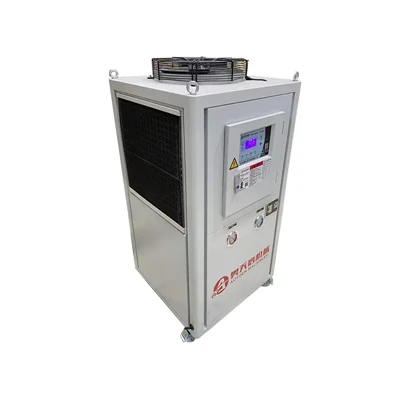
In conclusion, selecting the right chiller unit for cold storage facilities requires a careful consideration of multiple factors, including refrigeration capacity, energy efficiency, chiller type, temperature control, reliability, cost, compatibility, and environmental impact. As a chiller unit supplier, I am committed to providing high – quality chiller units that meet the diverse needs of our customers. If you are in the process of selecting a chiller unit for your cold storage facility, I encourage you to contact us for professional advice and customized solutions. We have a team of experts who can help you make an informed decision and ensure the success of your cold storage operation.
References
Screw Chillers ASHRAE Handbook – Refrigeration. American Society of Heating, Refrigerating and Air – Conditioning Engineers.
“Modern Refrigeration and Cold Storage Design.” By E.S. Hodgson.
Technical brochures and product manuals from leading chiller manufacturers.
Kunshan Aotianxin Machinery Co., Ltd.
We’re well-known as one of the most reliable chiller unit manufacturers in China. With abundant experience, our factory offer high quality chiller unit made in China with low price. If you have any enquiry about quotation and free sample, please feel free to email us.
Address: 550 Shengguang Road, Bacheng Town, Kunshan City, Jiangsu Province
E-mail: 1516722561@qq.com
WebSite: https://www.atxks.com/
