If you’ve ever run your fingers over a detailed resin figurine—whether it’s a hand-painted anime character, a miniature Greek statue, or a custom corporate award—you might have wondered: what makes these small works hold such sharp details, feel smooth to the touch, and stand the test of time? As a resin figurines and sculptures supplier who’s worked with this material for over a decade, I can tell you that not all resins are created equal. Choosing the right type is the difference between a figurine that fades after six months on a shelf and one that becomes a beloved, long-lasting centerpiece. Over the years, I’ve tested, sourced, and worked with nearly every resin on the market, and today I’m breaking down the most common types we use, what makes each unique, and when we reach for one over another. Resin Figurines & Sculptures

First, let’s start with the basics: what makes resin different from other sculpting materials like clay, polymer, or metal? Resin is a liquid polymer that cures (hardens) when mixed with a hardener or exposed to UV light, creating a solid, lightweight, and highly detailed end product. It’s ideal for figurines and sculptures because it can capture tiny details like the folds of a character’s cloak, the texture of a rose petal, or the engraving on a small award far better than many other materials. But the specific resin type changes everything—from how detailed the final piece gets, to its durability, cost, and the time it takes to produce.
The first resin I always turn to for most standard figurines and mid-sized sculptures is General-Purpose Epoxy Resin. If you’ve ever bought a mass-produced anime figurine or a decorative garden statuette from a big box store, there’s a good chance it’s made with this. General-purpose epoxy is the workhorse of the resin world, and for good reason: it’s affordable, easy to mix, and cures to a hard, rigid finish with very little shrinkage. For our small-batch production runs of custom character figurines, this resin is perfect because it flows easily into silicone molds, picking up every tiny impression from the mold’s design. We use it for everything from 4-inch keychain figurines to 12-inch display pieces, and it’s smooth enough to take intricate paint finishes that don’t chip easily. The downside? It’s not the most durable resin for outdoor use—UV sunlight can cause it to yellow or become brittle over time. So we reserve general-purpose epoxy for indoor pieces only, unless we add a UV-stabilized top coat later on. I still remember my first big order for a local game store, 500 6-inch fantasy character figurines made with general-purpose epoxy; they came out crisp, consistent, and the store re-ordered three times because they held up perfectly on shelves with limited direct light.
Next, there’s Polyurethane Resin, and this is the resin we reach for when we need something a little more heavy-duty, or when we’re sculpting larger pieces that need to hold their shape. There are two main types of polyurethane resin we work with: rigid and flexible. Rigid polyurethane is a step up from general-purpose epoxy in terms of strength. It’s more impact-resistant, so it’s ideal for larger sculptures or figurines that might be moved or displayed in high-traffic areas. We used rigid polyurethane last year for a 24-inch custom dragon sculpture for a restaurant entrance; it sat outside for 18 months in rain and sun, and only required a light re-paint because it didn’t chip or crack. The flexible type of polyurethane is trickier to work with, but it’s invaluable for pieces that need a little give—like flexible action figure joints, or small decorative figurines that might be dropped occasionally. If you’ve ever had a plastic action figure with bendable limbs, those limbs are almost always flexible polyurethane. The downside of polyurethane, though? It can be more expensive than general epoxy, and it has a slightly shorter working time once mixed, so we have to plan production carefully to avoid wasting material. A mistake I made early on was mixing a large batch of rigid polyurethane for a 10-piece set of animal sculptures, and by the time I poured the fifth piece, the resin had already started to cure, leaving lumpy details. Now we always mix in smaller batches, and it’s never been a problem since.
Then there’s UV-Curing Resin, a game-changer for our small, fast-turnaround custom figurine orders. If you’ve ever ordered a tiny resin charm or a keychain and received it in just a few days, UV-curing resin is likely how it was made. Unlike epoxy or polyurethane, which cure via a chemical reaction with a hardener, UV resin hardens almost instantly when exposed to UV light—whether that’s from a UV lamp in our workshop or direct sunlight. We use it exclusively for pieces under 3 inches, like custom pet figurines, keychain charms, or tiny decorative miniatures. It’s perfect for detailed small work because it has a very low viscosity (it’s thin and runny), so it seeps into even the tiniest mold details, and it cures completely in 30 seconds to 5 minutes, compared to 12 to 24 hours for standard epoxy. The speed is a huge benefit for customers who need a last-minute custom piece, like a birthday gift or a corporate award with a tight deadline. That said, UV resin has its limits: it’s more expensive per ounce than epoxy, and larger pieces won’t cure evenly—UV light can’t penetrate thick layers, so we never use it for anything over 1 inch thick. I learned this when a customer asked for a 10-inch superhero figurine in 2 days; I tried to pour it with UV resin, and the center stayed soft, so we ended up re-making it with epoxy and only took 3 days. The customer still was happy, but that’s a mistake we never repeat.
If we’re making a piece that’s meant to last outdoors, or that needs to hold up to heavy wear and tear, we turn to UV-Stabilized Resin, also called UV-Resistant Polyurethane. This resin is infused with additives that block harmful UV rays, so it doesn’t yellow, crack, or become brittle when exposed to sunlight or harsh weather. We use it for garden statues, porch decor, and large outdoor event sculptures. Last year, we completed a 3-foot custom animal sculpture for a residential garden, and it’s still looking brand new after a year of rain, snow, and summer sun—something a regular epoxy resin piece would not do. Another use case for this resin is figurines that will be placed in areas with bright indoor light, like a bookstore display or a museum exhibit. It’s slightly more expensive than standard epoxy, but the long-term durability makes it worth it for outdoor or high-light applications. We also add a clear UV-resistant top coat to every piece we sell that’s meant for outdoor use, just to give it an extra layer of protection.
A less common, but incredibly useful resin for custom, high-detail sculptures is Epoxy Resin for Miniatures and Detail Work. Wait, no—let me clarify that: there’s a specific type of epoxy resin designed exclusively for small, highly detailed sculpts, sometimes called “casting epoxy for miniatures.” It’s formulated to have almost no shrinkage when it cures, so tiny details like the individual feathers on a bird figurine, or the tiny text on a custom coin charm, stay sharp, not blurry. We use this resin for all our high-end custom figurines, like 1:6 scale character sculptures for collectors. Collectors care deeply about every detail, and a 0.5mm indentation from a mold won’t be lost when this resin cures. The only downside is that it’s more viscous than standard epoxy, so we have to degas it (remove air bubbles) very carefully using a vacuum chamber, to make sure no tiny bubbles ruin the details. It’s a little more labor-intensive, but the result is a museum-worthy piece that collectors will pay a premium for. I remember working on a 1:6 scale statue of a popular movie character a few years ago; the client flew in to watch us cast it, and when they saw the tiny, sharp details in the epoxy, they said it was better than the official collectible version. That’s the kind of result that makes the extra work worth it.
Now, it’s important to note that we also work with specialty resins for specific applications, like Clear Casting Resin for transparent figurines or resin art accents. Clear casting resin is crystal-clear, so we use it for pieces like glass-like fairy lanterns, ice-themed decor, or even custom coasters with embedded small items. It cures to a hard, scratch-resistant finish, and it doesn’t yellow as much as other clear resins, which is key for pieces that are meant to look see-through for years. We also use Flexible Silicone Resin for pieces that need to stretch or bend, like custom silicone molds for repeat figurine production, or even wearable resin accessories like rings that don’t break when adjusted.
Over the years, we’ve learned that choosing the right resin isn’t just about picking the most expensive or the most popular one—it’s about matching the resin to the project’s needs. For example, if a customer needs a 6-inch indoor custom figurine for a display case, general-purpose epoxy is the best, cost-effective choice. If they need a 2-foot outdoor garden sculpture, we go with UV-stabilized polyurethane. If they need a tiny keychain charm for a wedding favor, UV-curing resin is perfect for fast delivery. The last thing we want is to deliver a piece that disappoints because we used the wrong resin—like a customer who bought an outdoor sculpture made with standard epoxy that yellowed after a month, or a small figurine that had soft, blurry details because we used too thick a layer of UV resin.
As a supplier, we prioritize being transparent about which resin we use for each project, because we know that customers care about the quality and durability of their figurines. We also offer custom resin blending for unique projects, like combining flexible and rigid resins for a piece that has both bendable joints and a solid body, or adding pigments, glitter, or embedded objects to resin for custom decor pieces.
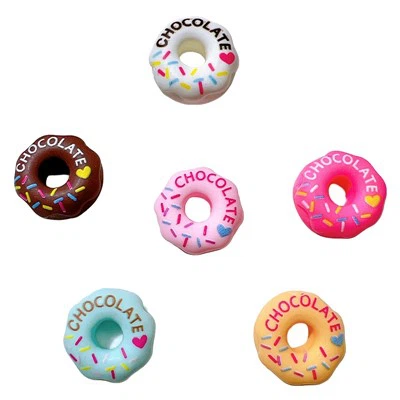
If you’re in the market for resin figurines or sculptures—whether it’s for custom gifts, retail inventory, outdoor decor, or collectible pieces—we can help you choose the right resin for your needs, and produce high-quality, durable pieces that match your vision. We work with small individual orders, large bulk retail runs, and every project in between, and we’re happy to answer any questions you have about resin types, production timelines, or customization options. Reach out to us to discuss your next project, and we’ll help you create resin pieces that last for years to come.
Resin Charms References
- "Resin Types for Sculpting and Figurine Production." Additive Manufacturing Magazine, 2022.
- Epoxy vs Polyurethane Resin: Performance Comparisons for Casting Applications. Society of Plastics Engineers, 2021.
- UV-Curing Resins for Small-Scale Custom Manufacturing. Journal of Manufacturing Processes, 2020.
- Outdoor Durability of Resin Sculptures: UV Stabilization and Performance Testing. Art Materials Research Journal, 2023.
- "Casting Miniatures: Best Resin Types for High-Detail Figurines." Hobby Sculptors Association, 2022.
Shengzhou Shengteng Accessories Co., Ltd.
Address: Room 701, Building 23, Wanyang Innovation City, No. 368 Kaiya Road, Changle Town, Shengzhou City, Shaoxing City, Zhejiang Province
E-mail: 15869252296@163.com
WebSite: https://www.shengtengjewelry.com/
