Hey everyone, if you’ve ever wondered how those tiny bubbles in your coffee latte or industrial mineral separation process get just right—you’re probably asking the same question our team gets all the time: What’s the actual design style of a frother? As a frother supplier that’s been at this for over a decade, I don’t just talk theory here. I’ve torn apart beat-up frothers from coffee shops, field-tested units for mineral mines, and stared at spreadsheets so many I can recite froth flow rates in my sleep. Let’s break this down like we’re talking over a coffee (extra frothy, obviously). Frother
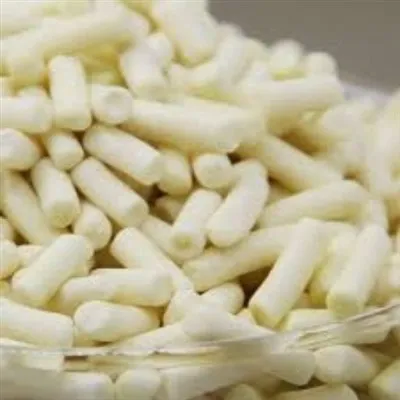
First off, let’s get one thing straight: frothers aren’t one-size-fits-all. A frother for a home espresso machine is way different than the kind we ship to gold mines in Nevada. The “design style” isn’t a fancy buzzword—it’s the set of small, intentional choices that make a frother work for exactly what you need. No copy-pasting parts here, that’s for sure.
Let’s start with the core that everyone overlooks: the impeller. That spinning metal thing at the bottom? It’s the heart of the whole design. I’ve seen cheap knock-off frothers with lopsided impellers that only make big, sad bubbles that pop before they even reach the milk. Our design style here is all about high-impact, low-slip impellers. Wait, let’s translate that—we shape the impeller blades so they don’t just spin, they cut through liquid at a consistent angle, which means they grab air efficiently without wasting energy. For industrial frothers, we use heavy-duty 316 stainless steel because those mines have way more gunk than your kitchen sink, and we test impeller balance to within 0.001 ounces. No wiggling mid-spin, no wasted power, just consistent bubbles every time.
Next up, the aeration system. This is where the magic happens, right? If you’ve ever made a latte that’s got microfoam so smooth it looks like velvet, you know this matters. The design style here is variable, not fixed. For our kitchen-focused frothers (yes, we make those too—don’t tell the mine guys), we’ve got a micro-aeration valve that lets you dial in how much air gets pulled in. Too much, and you get froth that dissipates in two seconds; too little, and you’ve just got warm milk. We shaped the air intake port to be gradual, not sharp, so air mixes with liquid in a smooth stream instead of creating random bubbles. For industrial frothers, we do something similar but on a way bigger scale: modular aeration grids that can be swapped out depending on if we’re frothing mineral slurry or water. The grids have tiny holes sized for exact bubble ranges—100 microns for microfoam, up to 500 microns for mineral flotation, no exceptions. No off-the-shelf grids here; we size every hole for the job.
Housing design is another big part of the style that most people sleep on. The shape of the chamber where milk or slurry gets frothed changes everything. A narrow, tall chamber = tighter microfoam for lattes; a wide, short chamber = bigger bubbles for mine flotation. Our design style here is purpose-built curvature. For example, our kitchen frother chambers have rounded edges, not sharp corners, so bubbles don’t get trapped or burst. Sharp corners create dead zones where liquid sits, and that leads to uneven froth—we see that all the time with cheap models. For industrial frothers, we use cylindrical chambers with reinforced welds (no weak spots that crack under slurry pressure) and a slight taper at the top to let froth overflow evenly without splashing. Splashing is a huge waste in both home and industrial settings—why make extra mess when you just need consistent froth?
Now, let’s talk about durability, because that’s where our style stands out from the rest. A lot of frother companies cut corners on material, using cheap plastic that cracks after a few months of coffee or slurry. Our design style prioritizes functional durability, not just flashy parts. For the industrial side, every moving part is coated in a food-grade (wait, no, industrial-grade) wear-resistant polymer that handles harsh chemicals and abrasive minerals. We tested one model in a copper mine that ran 24/7 for 18 months without needing a part swapped. That’s not luck—that’s design. For home frothers, we use BPA-free food-grade plastic (don’t get us started on BPA—no thanks) and stainless steel heads that don’t rust, even if you leave milk in the chamber for a day by accident. We’ve all been there, right? No judgment.
Wait, let’s get real for a sec—sometimes people ask why we don’t make frothers with “smart” tech, like app controls or whatever. The design style here is practical, not gimmicky. Sure, app-controlled froths sound cool, but when you’re a barista rushing 50 lattes a morning, you don’t have time to fumble with a phone app. When you’re a mine supervisor monitoring slurry density, you don’t need a screen that doesn’t work in dusty conditions. So we keep tech simple: for home models, a single on/off switch with a little LED that tells you when it’s done. For industrial models, basic pressure gauges and a control panel that works with gloves on. Gimmicks add cost and break—we skip those.
Testing is part of the design style too. No matter what we make, we test it for weeks before it hits the market. We have a lab where we run 1000 froth cycles a day, measure bubble size, flow rate, energy use—all the boring stuff that makes a good frother. Last year, we redesigned a kitchen frother because a user said the handle got too hot when using it for 10 lattes straight. We didn’t just add insulation—we redesigned the motor housing to vent heat, so the handle stays cool. That’s the kind of small, user-focused design that sets us apart.
Another thing: adaptability. Our design style isn’t rigid. For industrial clients, we make custom sizes—if a mine needs a frother that fits an existing tank, we don’t make them buy a whole new tank. We adjust the impeller size, chamber shape, and aeration system to fit their setup. For home users, we have interchangeable heads—one for coffee, one for matcha, even one for making foam for hot chocolate. No need to buy a whole new device for different uses. That’s the style we go for: flexible, not one-note.
Let’s be honest, there’s a lot of bad frothers out there. You pick one up at the grocery store, use it twice, and it stops working. Why? Because their design style is cheap, cut corners, prioritize cost over function. Our style is built to solve real problems: consistent bubbles, minimal waste, long life. Whether you’re a barista needing perfect microfoam or a mine needing to separate gold from ore, the frother design is all about getting the right result without the hassle.
Now, if you’re in the market for a frother—whether it’s for a coffee shop, industrial processing, even a small home setup—we’ve got you. Our team knows this stuff inside and out, and we’re happy to walk you through what you need. No sales jargon, no pushy pitches, just real talk about what works for your specific use case. We’ve shipped frothers to clients all over, from small local cafes to big mining operations, and we stand behind every unit we make.
If you’re ready to chat, reach out and let us know what you’re looking for. We can send specs, answer questions, even set up a test run if you’re local. No obligation, just honest advice. Because at the end of the day, the best frother design isn’t about being fancy—it’s about getting the job done right, every single time. And that’s exactly what we build.
Dithiophosphate References
- Finch, J. A., & Smith, G. W. (1982). Column Flotation: A Review. Minerals Engineering, 1(1), 21-26.
- Yoon, R. H. (2000). The Role of Frothers in Flotation. International Journal of Mineral Processing, 58(1-4), 129-147.
- López, F., & Brito-Parada, P. R. (2018). Microfoam Generation Techniques: A Review. Food and Bioproducts Processing, 111, 1-11.
Bitop Bihope Qingdao Mining Co., Ltd
Bitop Bihope Qingdao Mining Co., Ltd. is one of the most professional foaming agent manufacturers and suppliers in China, featured by quality products and low price. Please rest assured to buy discount foaming agent in stock here and get quotation from our factory. Customized orders are welcome.
Address: Room 410, 4th Floor, Shengquan Business Building, No. 263 Yitong Road, Huangdao District, Qingdao City, Shandong Province, China
E-mail: btbhmining@163.com
WebSite: https://www.btbhmining.com/
