Hey there, fellow construction crew chiefs, equipment managers, and anyone who’s ever stared at a truck mounted concrete pump at 2 a.m. on a job site, wondering why it’s suddenly sputtering like a dying lawnmower. I’m Jake, and I’ve been selling and troubleshooting truck mounted concrete pumps for 12 years—back when they were just clunky prototypes no one trusted, and now when they’re the workhorses that pour foundations, bridges, and high-rises on tight schedules. Today, I want to cut through the flashy sales brochures and talk about the stuff that actually keeps you up at night: the common problems we all face with these pumps, and how to fix ’em before they turn a smooth job into a costly headache. Truck Mounted Concrete Pump

Let’s start with the most frequent issue I get calls about—without a doubt—clogged pipelines. Last month, I was on a jobsite in Des Moines where a 37-meter pump shut down mid-pour on a residential slab, and the contractor had to use a jackhammer to break up wet concrete just to fish the pump out. The root cause? They pumped concrete that was too dry, and the aggregate size was too big for the pipeline diameter. I’ve seen this same problem hundreds of times, and it’s not always the operator’s fault. A lot of suppliers don’t warn clients about the concrete mix specs that work for their specific pump, or job sites send out batches that don’t match what the pump can handle. The fix isn’t just yanking the pipelines apart every time—you can prevent clogs by checking your mix slump first (aim for 100 to 150 millimeters for most truck pumps), making sure the aggregate is no more than a quarter of the pipeline’s internal diameter, and using the reverse function gently if you feel a blockage building. If you do clog, don’t blast the pump at full pressure—that just cracks pipes or blows seals. Instead, reverse a few times, then try forward at low pressure. If that doesn’t work, you’ll need to section the pipe, which is why I always tell crews to keep spare couplings and a pipe wrench on the pump tray.
Next up: hydraulic system overheating. This is another big one, especially in summer jobsites where the temperature hits 95 degrees and the sun is beating down on the pump’s reservoir. I had a client in Dallas last year who ran his pump straight for 14 hours on a high-rise pour, and the hydraulic oil temp climbed to 180 degrees—way over the recommended 140 to 160 degree range. By the time we got it shut down and cooled off, the seals were already starting to degrade, which meant a $1,200 replacement bill a week later. The common causes here are clogged hydraulic filters, a faulty cooling fan, or just running the pump at full load too long without letting it idle for 5 minutes every 2 hours. A lot of new operators skip the idle breaks to save time, but that’s a quick way to kill your hydraulic system. The fix: change your hydraulic filters every 200 operating hours (trust me, I see people stretch this to 500 and wonder why their pump is failing), keep the cooling fins on the reservoir clear of concrete dust and debris, and never run the pump at more than 80% of its rated capacity for extended periods. If you do notice the temp gauge spiking, shut it down immediately—don’t wait until it’s too late.
Then there’s the issue of the boom not extending or retracting smoothly, or even sticking halfway. This one usually creeps up on you when you’re in a hurry to pour a section and the boom decides it’s not cooperating. Most of the time, this is due to worn-out boom pins or lack of lubrication. I worked with a paving crew in Indianapolis that had a 42-meter pump, and one of the lower boom pins was so dry it seized up mid-extend. They had to call a crane to reposition the boom, which cost them $800 in downtime alone. Another common cause is misaligned boom sections from rough handling on the job site—if you’ve ever dragged the boom over a rebar stack or a pile of dirt, you’re probably bending the alignment over time. The fix here is simple, but it’s something we at our company always remind clients: grease the boom pins every 50 operating hours, use a high-pressure grease that’s made for heavy construction equipment (not just whatever’s in the toolbox), and do a visual check of the boom alignment at the start of every week. If you notice any sticking, don’t force it—turn off the pump, inspect the pins and bushings, and replace any that are worn. We keep a stock of replacement boom pins on hand for our regular clients because we know how often this problem pops up.
Another headache that’s easy to miss but costly when it hits: worn-out delivery cylinders. These are the parts that push concrete through the pipelines, and when they start to wear, you’ll notice the pump has less pressure, it takes longer to pour, and sometimes concrete leaks out around the seals. Last quarter, we had a client in Chicago who didn’t catch this until half their bridge deck was poured, and they had to shut down the job early to replace the cylinders, which pushed their timeline back 3 days and cost them thousands in penalty fees. The wear happens from repeated stress, abrasive concrete mixes, and not replacing the seals when they start to leak. The solution is proactive: check the delivery cylinder seals every 150 operating hours, and if you see any seepage, replace them immediately—don’t wait until the cylinder is damaged beyond repair. We include a full seal replacement kit with every pump we sell, because we want our clients to have the parts they need before a problem hits, not after.
Electrical faults are another common issue, especially with the more modern pumps that have electronic controls and remote operation. I’ve had calls from contractors in Houston where the remote control just stops working mid-pour, or the display screen glitches and shows incorrect pressure readings. Most of the time, this is due to loose wires or water damage from rain or concrete splashes. A lot of operators think the remote is broken, but 9 times out of 10, it’s just a wire that came loose under the pump’s control panel. The fix here is to do a quick electrical check at the start of every job: tighten all the wiring connections, seal any exposed wires with electrical tape if they’re showing wear, and keep the control panel covered when it’s not in use. For our pumps, we pre-test all electrical systems before delivery, and we include a wiring diagram and a troubleshooting guide with every unit so our clients can fix these small issues themselves instead of calling us out for a $200 service call.
Wait, I can’t forget about outrigger problems—those are critical for safety, not just functionality. Outriggers are what keep the pump stable when it’s extended, and if they’re not set up right or have worn parts, you’re looking at a major accident. I heard a horror story last year about a pump that tipped over on a small jobsite because one outrigger’s hydraulic cylinder was leaking, and the operator didn’t check it before extending the boom. No one got hurt, but the pump was totaled and the jobsite was shut down for a week. Common outrigger issues: leaking hydraulic hoses, damaged pads that sink into soft ground, and faulty safety locks that don’t engage. The fix is simple: inspect all outrigger hoses for leaks every 100 operating hours, use thick, rubber outrigger pads (not just plywood, which splits) to distribute weight, and make sure the safety locks are fully engaged before extending the boom. We teach all our clients how to do a pre-job outrigger check during their training session, because safety isn’t an afterthought—it’s part of every pump we sell.
A lot of the time, these problems aren’t because the pump is a bad piece of equipment—they’re because of lack of maintenance or operator error. I’ve seen brand-new pumps in terrible shape because the operator skipped maintenance to save time, and I’ve seen 10-year-old pumps running like new because the crew stuck to a strict maintenance schedule. That’s why at our company, we don’t just sell you a pump—we include a 2-day on-site training session for your operators and maintenance team, and we give you a customized maintenance checklist for your specific model. We also have a 24/7 support line, because I know problems don’t wait for 9 a.m. on Monday. Last month, a client in Miami called us at 1 a.m. because their pump had a clogged pipeline on a pour for a hospital expansion, and our tech talked them through fixing it over the phone in 20 minutes, so they didn’t have to shut down the job and delay patient preparations.
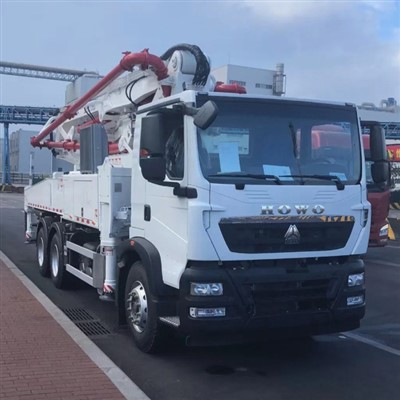
Now, I know what a lot of you are thinking: “This all sounds like a lot of hassle.” But the alternative is worse—delays that cost you money, repairs that eat into your budget, and safety risks that no one wants to deal with. A well-maintained truck mounted concrete pump will last 15 to 20 years, and it will pay for itself many times over by speeding up your pours and reducing labor costs. If you’re tired of dealing with these constant breakdowns, if you want a pump that’s built to handle your jobs, and if you want a supplier that’s there when you need them, not just when they make the sale, let’s connect. Whether you’re working on residential slabs, commercial high-rises, or infrastructure projects, we can help you find the right pump for your needs, and we’ll make sure you have the support and parts to keep it running smoothly for years to come. Don’t let avoidable problems derail your next job—reach out to us to start a conversation about your concrete pump needs today.
Cement Mixer Truck References
- Concrete Construction Magazine. (2021). “Troubleshooting Truck-Mounted Concrete Pumps: Common Issues and Solutions.” Retrieved from industry technical resources for construction equipment maintenance
- American Society of Concrete Contractors (ASCC). (2022). “Preventive Maintenance Guidelines for Concrete Pumping Equipment.” ASCC Equipment Training Series
- National Ready Mixed Concrete Association (NRMCA). (2020). “Concrete Mix Design Specifications for Pumped Applications.” NRMCA Technical Bulletin No. 17
Shandong Fuxin Automobile Technology Co., Ltd.
We’re well-known as one of the leading truck mounted concrete pump manufacturers and suppliers in China, featured by quality products and good price. Please rest assured to buy advanced truck mounted concrete pump made in China here from our factory. Contact us for more details.
Address: West of Nanshou Road, Beihai Road, Weifang City, Shandong Province
E-mail: h17616861003@gmail.com
WebSite: https://www.fuxinautomobile.com/
