If you’re deep in the ag industry like I am (I’ve been supplying ag implements for 12 years, and let me tell you—clients used to walk in asking for a plow that didn’t break after 3 uses), you’ve probably heard the term “high-tech ag gear” thrown around a lot. But what does that actually mean? It’s not just a fancy tractor with a touchscreen, right? Over the years, I’ve seen farmers skip older, basic models and go straight for these high-tech ones, and most of the time, it’s because those implements solve real headaches they deal with every season. Let’s break down the key features that make a high-tech ag implement worth investing in, from someone who sees what works (and what doesn’t) firsthand. Agricultural Implements
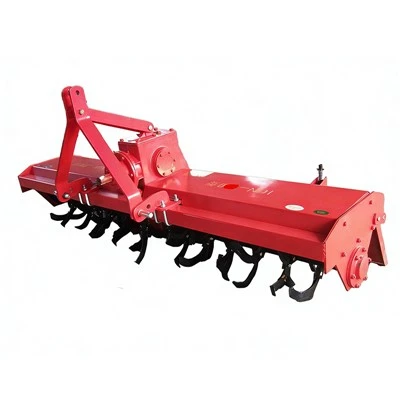
First off, precision in every tiny detail—no more guesswork. Back in the day, farmers would spread fertilizer or plant seeds in even patterns, but it was mostly eye-balling, which meant some rows got too much and others too little, or some areas had gaps. Now, high-tech implements use GPS (the same stuff your phone uses to map routes, but scaled for fields) to nail that precision. For example, a planter I started carrying a couple years ago doesn’t just drop seeds at set intervals—it maps every single seed’s exact spot, so if the soil in one patch is sandier, it adjusts how deep it drops the seed automatically. Same with sprayers: they have sensors that can tell if a weed is actually there, not just a random leaf, so they only spray that spot instead of dousing the whole field. I’ve had a corn farmer come in last month saying he cut his fertilizer use by 20% with this feature, which saved him like $1,800 on input costs. That’s not small stuff; that’s real money in his pocket.
Next, connectivity—these implements don’t work alone, they talk to each other. Ten years ago, a farmer might have a tractor, a planter, and a sprayer, but each was like a separate device, no info shared. Now, high-tech ones sync with the farmer’s tablet or even their phone through apps. So here’s a scenario: a farmer uses a combine (that’s the big machine that harvests grain) that’s connected to his laptop. When it’s cutting wheat, it sends data on how much grain is being produced per acre, and that info automatically updates his planter for next season—so he knows exactly how much fertilizer each part of the field needs, no manual tracking required. I love when clients tell me they can pull up a report in 2 minutes instead of spending 3 hours scribbling numbers in a notebook. It cuts down on human error too—no more mixing up field IDs or miscalculating how much to order.
Then there’s automation that takes the pressure off during busy seasons. Planting or harvesting time is a mad dash—you can’t take a coffee break, let alone a whole day off. High-tech implements handle repetitive tasks so the farmer doesn’t have to. For example, some sprayers now have auto-steer that keeps the machine perfectly straight, even for 10 hours straight, so the driver doesn’t get tired and mess up the rows. There’s also implements that can adjust their own settings mid-use: if a plow hits a rock, it can lift itself a little to avoid damage, instead of the driver panicking and stopping. Last summer, a soybean farmer I supply told me he used his new automated tiller to run a 12-hour shift without a break (he just checked the app every hour) and got twice as much done as he did with his old manual tiller. That’s a game-changer when every day of delay can mean losing crops to bad weather.
Sensors are another big one—they’re like the implement’s eyes and ears. No more guessing if the soil is too dry, or if the machine is about to break down. High-tech implements have tons of tiny sensors that track stuff like soil moisture, nutrient levels, even the temperature of the engine. For example, a harvester has a sensor that checks how much grain is being lost through the machine—if it’s too high, it alerts the driver immediately, so they can fix it right then instead of realizing at the end of the day they wasted 50 bushels. One of my dairy farmers switched to a high-tech feed mixer last year; its sensors measure the exact amount of hay, grain, and supplements to mix, so he doesn’t overbuy ingredients anymore. That cut his feed waste by 15%, which adds up to thousands a year for a 500-cow operation.
Durability with a smart twist, not just heavy metal. A lot of people think ag implements just need to be tough—but high-tech ones are tough and smart enough to last longer without constant repairs. Let’s face it, fixing a machine mid-season can cost you more than the machine itself. So these implements have built-in diagnostics: if a part is wearing out, it sends a notification to the farmer (and even to me, if they’re a regular client) before it breaks completely. That way, you can schedule a repair during a slow week, not when you’re in the middle of planting. I had a client last spring who got an alert that his planter’s seed disk was going bad; he ordered a replacement from me, installed it on a Saturday, and didn’t miss a single day of planting. If he’d waited until it broke, he would’ve lost 3 days of work when every day counts.
Wait, let’s not forget accessibility for smaller farmers, too. A lot of people used to think high-tech implements were only for big corporate farms, but now there are models that fit smaller operations—compact ones with the same tech, just scaled down. I work with a lot of family farms that have 100 acres instead of 1,000, and they can now get a high-tech tiller or planter that’s not super expensive, but still has GPS and sensor tech. That’s important because small farms make up most of the ag community, and they deserve the same tools to stay competitive. Last year, I had a 50-acre vegetable farmer upgrade from a manual sprayer to a compact high-tech one, and he told me he’s now able to take on more contract work because he can cover his fields faster. It’s not about size, it’s about getting the right tech for your operation.
Let me also be real about one thing: high-tech implements aren’t perfect. Sometimes the tech glitches, especially in dusty or muddy fields, which are par for the course around here. But the good ones have easy-to-use support—most have quick fixes through the app, or you can call someone (like me, if you’re a client) who knows the gear. I make sure every implement I sell comes with a 30-minute walkthrough, and I’m always available to troubleshoot after hours. For me, it’s not just selling a machine—it’s making sure the farmer can use it without stress.
So why does all this matter? At the end of the day, farming is a tough business. Prices for crops go up and down, input costs are always rising, and the weather is unpredictable. A high-tech implement isn’t just a luxury—it’s a tool that helps farmers work smarter, not harder, and make their operations more profitable. I’ve seen guys who were on the edge of scaling back grow their business because they upgraded to a high-tech planter. I’ve seen others cut their stress levels by half because their machines don’t break every other day.

If you’re a farmer thinking about making the switch, or even just curious about what your current implement is missing, feel free to reach out. I don’t push the most expensive model— I listen to what you need, whether you’ve got 50 acres or 500, and point you to the gear that’ll actually work for your operation. Let’s chat, no sales pitch, just talking shop about what’s going to help you this season.
Compact Tractor References:
- "Precision Agriculture Technologies for Sustainable Farming," USDA Agricultural Research Service, 2022.
- "Adoption of Digital Agricultural Tools Among Small-Scale Farmers," National Agricultural Statistics Service, 2023.
- "Automation in Farm Implements: Benefits for Labor Efficiency," American Society of Agricultural and Biological Engineers, 2021.
- "Sensor Technology for Real-Time Crop and Soil Monitoring," Food and Agriculture Organization of the United Nations, 2022.
- "Cost-Benefit Analysis of High-Tech Agricultural Implements," Journal of Agricultural and Applied Economics, 2023.
Sevol International Trade (Shandong) Co., Ltd.
As one of the most professional agricultural implements manufacturers and suppliers in China, we’re featured by quality products and good price. Please rest assured to buy advanced agricultural implements for sale here from our factory. We also accept customized orders.
Address: 1210, Building 13, No. 13129, Yingqian Street, Liyuan Street, Kuiwen District, Weifang City, Shandong Province
E-mail: Savotrak@163.com
WebSite: https://www.sevol-global.com/
