If you’ve ever shipped goods between China and Australia via sea freight, you know it’s often touted as a cost-effective, reliable option for businesses large and small. As someone who’s run a China-Australia sea freight provider for over a decade, I’ve seen first-hand how this method works for many clients—but I’ve also witnessed the hidden pitfalls that even seasoned exporters and importers overlook. These aren’t just minor annoyances; they can eat into profit margins, delay critical deliveries, and create unnecessary stress. Today, I want to pull back the curtain on the less talked-about disadvantages of China-Australia sea freight, from the perspective of someone who handles these shipments daily. China-Australia Sea Freight
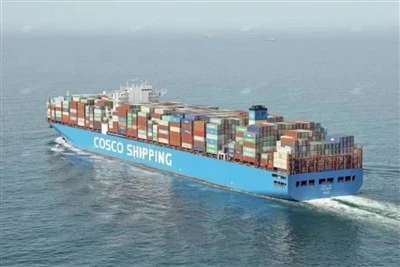
First, let’s talk about transit time delays that are far less predictable than advertised. Most suppliers will tell you transit time is 14 to 21 days for a standard FCL (full container load) shipment from ports like Shanghai or Ningbo to Sydney or Melbourne. But here’s the thing: that timeline almost never holds steady. The Tasman Sea, which separates Australia from the East Asian mainland, is one of the most volatile bodies of water for commercial shipping. Rough seas in the Tasman can force vessels to slow down or even reroute to avoid storms, adding 5 to 10 days to a trip. Last winter, one of our clients— a Melbourne-based furniture brand—had a shipment of pine timber delayed by 12 days because a cyclone off the coast of New South Wales forced their container ship to divert to Brisbane. That delay didn’t just push back their launch for a new outdoor range; it cost them $18,000 in storage fees at the Port of Melbourne, plus penalties from their retail partners for missing agreed stock levels.
Beyond natural weather issues, port congestion is a constant, unplanned headache. Both major Chinese ports and Australian ports have faced chronic congestion over the last five years, and it’s only gotten worse post-pandemic. In 2023, the Port of Melbourne’s average wait for a berth hit 7 days, up from 2 days in 2019. For LCL (less than container load) shipments— which are far more vulnerable to stacking and sorting delays—this means your goods might sit in a port’s temporary storage for days, sometimes weeks, before they’re even loaded onto a vessel. A small Sydney-based gift shop we work with had a LCL shipment of hand-painted ceramic mugs stuck in Shanghai’s port for 9 days in 2022 because of a strike by dock workers. By the time the shipment arrived in Sydney, 12 of the mugs had cracked from being jostled in the overcrowded container yard.
Next, there’s the issue of hidden costs that aren’t listed in the initial quote. When you first get a sea freight rate, it might look cheap—say, $1,500 for a 20-foot FCL from Shanghai to Sydney. But that rarely includes all the fees. For Australian importers, you’ll face customs duties and GST (Goods and Services Tax) calculated on the total value of your goods plus the freight cost and insurance. Then there are terminal handling charges (THC), documentation fees, and sometimes peak season surcharges, especially during China’s Golden Week (late September to early October) or Australia’s Christmas and holiday shipping rush. We had a client who imported 100 boxes of skincare products last year; their initial quote of $2,200 for FCL shipping turned into a total cost of $5,800 once all the fees were added up, a 60% increase. Many first-time shippers don’t factor these in, so they end up blowing their budgets.
LCL shipments come with their own unique set of disadvantages. Unlike FCL, where your container is sealed and only your goods inside are handled, LCL means your cargo is mixed with goods from multiple different shippers in a single container. That leads to two big problems: first, higher risk of damage. If a heavy item from another shipper—say, a batch of metal tools—shifts during transit and presses against your fragile goods, there’s little you can do to prove it was the fault of the freight forwarder, since multiple parties had access to the container. Second, LCL rates often have minimum charges, so if you’re shipping a small amount of goods, you might end up paying nearly as much as an FCL shipment, even if you only have half a container’s worth. We once had a tech startup import 50 custom laptop sleeves for their team; their LCL quote was $850, while an FCL quote for a 20-foot container was only $900. It made no financial sense, but many small businesses don’t realize that until they’re presented with the bill.
Another major downside is limited flexibility for time-sensitive shipments. Air freight is the go-to for urgent goods, but sea freight is for non-urgent, bulk items. But what if a critical part for a manufacturing line is delayed? Or a seasonal product needs to hit shelves before a holiday? By the time you find out your shipment is delayed, there’s almost no way to reroute it quickly—you’re stuck waiting out the transit delay or paying exorbitant air freight costs to replace the shipment. Last year, a Brisbane-based automotive parts importer had a shipment of brake pads delayed by 10 days due to port congestion. Their factory was facing a shutdown because they didn’t have enough parts, so they had to air freight a replacement batch from Guangzhou for $12,000, which was more than double the cost of their original sea freight shipment.
There’s also the issue of cargo insurance gaps and limited liability. Many shippers assume that their freight forwarder’s insurance covers all damage or loss during transit, but that’s not always the case. Most standard sea freight insurance policies only cover basic risks like sinking or collision, not damage from stacking mishandling, temperature fluctuations, or theft. For high-value goods, like electronics or luxury items, that’s a huge risk. A Sydney-based jewelry retailer we worked with had a LCL shipment of diamond-studded watches worth $50,000 arrive with several scratched faces because another shipper’s heavy goods had pressed against them. The forwarder’s standard insurance only covered $1,000 of the loss, leaving the retailer to cover the rest. It’s critical to get a specialized cargo insurance policy, but many small businesses skip that extra cost until it’s too late.
Now, let’s not forget the administrative burden of cross-border paperwork. Shipping via sea between China and Australia requires a mountain of documents: bill of lading, commercial invoice, packing list, certificate of origin, and sometimes phytosanitary certificates for organic goods or food products. If even one document has a typo or missing detail, customs in either country can hold your shipment for weeks. We’ve had clients whose shipments were stuck in Sydney for 14 days because their certificate of origin listed the wrong country of manufacture, leading to incorrect duty calculations. That delay cost them $20,000 in lost sales because their products missed a key trade show in Melbourne. For businesses without a dedicated logistics team, this paperwork can be a full-time job, and one small mistake can derail everything.
But here’s the thing: I’m not saying China-Australia sea freight is useless. It’s still the most cost-effective option for bulk, non-urgent goods. But it’s not without its flaws, and that’s why it’s important to go into it with your eyes open. Over the years, we’ve helped hundreds of clients navigate these challenges—from rerouting shipments to avoid bad weather, to negotiating better rates by combining LCL shipments, to helping them secure the right insurance.

If you’re considering China-Australia sea freight for your next shipment, or if you’ve had a bad experience with it in the past, I’d be happy to walk through your specific needs and help you find the best solution. Don’t let the disadvantages of sea freight derail your business—let’s work together to mitigate the risks and keep your supply chain running smoothly.
China To Australia Consolidation Shipping References
- Australian Bureau of Infrastructure, Transport and Regional Economics. (2024). Port Congestion and Supply Chain Disruptions in the Tasman Trade Corridor.
- International Air Transport Association. (2023). Global Freight Rate Benchmarks: Sea vs. Air Costs for Asia-Pacific Trade Routes.
- China Maritime Safety Administration. (2023). Weather-Related Transit Delays in the Tasman Sea Region.
- Australian Customs and Border Protection Service. (2024). Documentation Requirements for Cross-Border Sea Freight Shipments.
Shenzhen Kuaihui International Logistics Co., Ltd.
Shenzhen Kuaihui International Logistics Co., Ltd. is a leading China-Australia dedicated logistics service provider in China. As a professional agent and platform, we are committed to providing high quality china-australia sea freight with low price. Welcome to contact us for pricelist.
Address: 3rd Floor, Building 6, Nanbiantou Industrial Zone, Xifang, Songgang Street, Bao’an District, Shenzhen City, Guangdong Province
E-mail: info@kkhwl.com
WebSite: https://www.kuaihuiexp.com/
