Hey everyone, if you’ve ever worked with small-scale machinery – think farm equipment, mobile construction tools, or even industrial packaging lines – you know compact hydraulics are the unsung heroes that make everything run smooth. As someone who’s been supplying compact hydraulic solutions for years, I get that the control methods can feel a little overwhelming at first. A lot of folks hit a roadblock when they’re trying to balance precision, cost, and performance for tight spaces, so today I’m breaking down the most common (and most effective) control methods we work with every day, straight from the shop floor. Compact Hydraulics
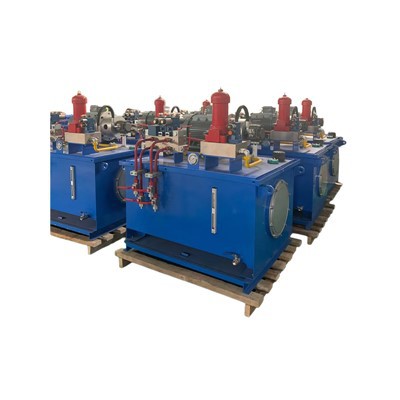
First off, let’s cut to the chase: compact hydraulics aren’t just mini versions of big industrial hydraulics. Those huge systems use bulky valves and pumps, but when you’re working with a footprint of a shoe box or smaller, every component has to earn its place. The right control method can make a tiny loader lift a 500-pound bale without jolting, or a robotic arm in a factory move with millimeters of accuracy. I’ve seen customers waste money on overcomplicated setups that don’t fit their space, or skimp on controls only to deal with constant leaks or slow response times. So let’s start with the basics: what even is hydraulic control, anyway? It’s basically how you direct fluid flow, pressure, and direction to make the actuator (the part that actually moves – like a cylinder or motor) do what you want. For compact setups, the goal is to cram that functionality into as small a package as possible, without sacrificing reliability.
The first method I want to talk about is direct solenoid control. This is the workhorse for most small-scale applications, and it’s super common because it’s simple, cheap, and easy to mount almost anywhere. Solenoids are those little electromagnetic coils that pull a plunger to open or close a valve. For compact hydraulics, you’re usually looking at 12V or 24V DC solenoids – perfect for battery-powered mobile gear, like ATV attachments or portable power units. I’ve used these on everything from small snow blowers to aerial work platforms, and they’re straightforward: no fancy wiring, no extra hydraulic lines, just plug them into a standard power supply and go. But here’s the catch: direct control is great for on/off jobs, not for fine-tuning. If you need to adjust speed gradually, a direct solenoid valve will just flip fully open or closed. That can be a problem for stuff like conveyor systems where you need to slow down when a package is near the end. Still, for 80% of the compact hydraulic jobs we handle, direct solenoid control is the go-to – it’s low maintenance, easy to replace, and doesn’t take up much room.
Next up, proportional control. This is where things get interesting, especially when you need more precision without scaling up the whole system. Proportional valves use a solenoid but add a small amplifier that adjusts the current going to the coil, which means you can control how far the valve opens – not just open or shut. So instead of a cylinder jumping to full extension, you can move it at 50% speed, 20% speed, whatever you need. For compact applications, this is a game-changer for jobs like precision farming equipment, where you don’t want to damage delicate crops by dropping a tool too fast. I’ve helped a customer outfitted a small vegetable transplanter with proportional control, and it cut plant damage by 30% – that’s a huge win for their bottom line. The downside? Proportional valves are a bit pricier than direct solenoids, and you have to make sure your power supply is consistent – if there’s a voltage dip, the precision goes out the window. But for compact setups where accuracy matters, it’s worth the extra cash.
Then there’s pressure-compensated control, which is all about keeping things steady even when load changes. Let’s say you have a compact hydraulic motor running a saw on a portable chainsaw mill. If the log you’re cutting is extra dense, the load on the motor spikes, which can make the fluid flow slow down. Pressure-compensated controls adjust the pump or valve to maintain a constant flow, so the saw doesn’t bog down. This is especially useful for compact mobile equipment that deals with variable loads – like small loaders that might switch between lifting dirt, gravel, and pallets. A lot of our customers use pressure-compensated systems because it takes the guesswork out of operation: the machine just keeps doing its job, no matter what’s attached. The only thing to note here is that pressure-compensated controls add a little bulk, so you have to plan your layout carefully – but with how compact modern versions are, it’s rarely a problem for most small jobs.
Wait, I should mention manual control too, because not every compact hydraulic system needs electricity. Some folks are working in remote areas with no power supply, like a small irrigation pump or a manual lift for a workshop. Manual control uses a lever or a knob to directly operate a hydraulic valve, no electricity required. It’s super simple, totally reliable, and dead cheap. I’ve seen these on everything from horse-drawn plow attachments to small boat steering systems. The tradeoff is that it requires physical effort – if you’re lifting a heavy load, a manual valve might be a pain to crank open. But for low-load, remote applications, it’s hard to beat. We stock a lot of manual control valves specifically for customers who don’t want to deal with wiring or batteries, and they’re always a hit with folks who like straightforward, no-fuss equipment.
Another method that’s been gaining traction lately in compact hydraulics is electro-hydraulic servo control. This is the high-precision option, usually used in things like robotic arms, medical equipment, or aerospace components – places where you need movement within a millimeter. Servo systems use a closed-loop sensor that feeds data back to the controller, so it adjusts the valve in real-time to hit exactly the position you want. For a compact robotic gripper that handles fragile electronics, this is non-negotiable. But let’s be real: servo systems are pricey, and they’re overkill for most small-scale jobs. I only recommend them for customers who need that level of accuracy, and even then, we work with them to make sure we’re using the smallest, lightest servo components possible – no point in adding bulk to a compact setup. The downside? They need regular calibration, and if a sensor goes bad, it can throw the whole system off. But when you need precision, it’s the way to go.
I also want to touch on load-sensing control, which is a step up from pressure-compensated systems for more complex setups. Load-sensing controls monitor how much load the hydraulic system is under and adjust the pump’s output to match, instead of wasting energy on extra flow. For compact systems, that means longer battery life for mobile gear, which is a big deal for things like portable power units used on job sites. A customer of ours runs a line of compact concrete drills, and switching to load-sensing control cut their battery runtime from 4 hours to 8 hours – that’s a massive improvement for guys who are working all day on a single charge. The key here is that load-sensing requires a separate line to send load data, so you have to make sure your compact layout has space for that extra tubing, but it’s worth it for energy efficiency.
Now, let’s talk about what I see as the common mistakes people make when choosing control methods for compact hydraulics. A lot of folks just pick the same control they used for their old, big system, without considering space. For example, a customer last year came to us with a compact lift gate for a pickup truck, and they’d installed a standard industrial proportional valve that was way too big – it took up half the space they had. We worked with them to swap in a miniature proportional valve, and it fit perfectly, no adjustments to their existing frame. Another mistake is skipping the details: if you’re using a battery-powered system, make sure your control valve is rated for low voltage – a 24V solenoid won’t work on a 12V battery, plain and simple. And don’t forget about environmental factors: if your system is going to be outside in the rain, you need a control valve with a waterproof coating, not a basic indoor solenoid.
At the end of the day, the best control method for your compact hydraulic setup comes down to three things: what you need it to do (precision? on/off? variable speed?), how much space you have, and your budget. I always tell customers to start with the job, not the component. If you’re building a small lawn aerator, direct solenoid control is more than enough. If you’re building a precision plant transplanter, proportional is the way to go. If you’re building a robotic assembly arm, you’ll need to step up to servo or advanced load-sensing.
We’ve worked on hundreds of compact hydraulic control projects over the years, and I can say from experience that there’s no one-size-fits-all solution. A lot of suppliers will push the most expensive option, but our job is to help you pick what works for your specific setup – no upselling, just straight talk. Whether you’re a small farm looking to upgrade your equipment, a workshop building custom tools, or a manufacturer putting together line of compact industrial gear, we’ve got the control components you need, tailored to fit your space and your budget.

If you’re knee-deep in a project and not sure which control method is right for your compact hydraulic system, don’t guess – reach out. We’re here to walk through your needs, point you to the right parts, and help you avoid the headaches we’ve all dealt with on the shop floor. No jargon, no pressure, just honest advice from folks who’ve been in the trenches with compact hydraulics. Whether you need a single valve or a full system build, we’re ready to help you get the control you need to make your gear work better.
Compact Hydraulics References
- Ivantysyn, J., & Ivantysynova, M. (2003). Hydrostatic Traction Systems. Elsevier.
- McCloy, D., & Martin, H. R. (1980). Control of Hydraulic Systems. Ellis Horwood Limited.
- Merritt, H. E. (1967). Hydraulic Control Systems. John Wiley & Sons.
- “Compact Hydraulic Valves: A Design Guide.” Fluid Power Journal, 2022.
Wuhu Zhongye Fluid Equipment Co., Ltd.
We are one of the most experienced compact hydraulics manufacturers and suppliers in China, specialized in providing high quality customized products. Please feel free to wholesale bulk durable compact hydraulics in stock here from our factory. Contact us for quotation.
Address: No. 2, Hexing Road, Sanshan District, Wuhu City, Anhui Province
E-mail: zhongyehydro20@163.com
WebSite: https://www.zhongyehydro.com/
