If you’ve ever walked past a print shop, a packaging station, or even a small business making custom stickers, chances are you’ve seen small roll laminating films at work. As a supplier of these rolls, I get asked one question way more than any other: “Are these actually eco-friendly, or just another throwaway plastic trick?” It’s a fair question—everyone’s tired of hearing about single-use plastics piling up, and no one wants to invest in a product that feels like it’s harming the planet. Let me break this down the way I do with my regular clients: no corporate jargon, just straight talk backed by real data. Small Roll Laminating Film
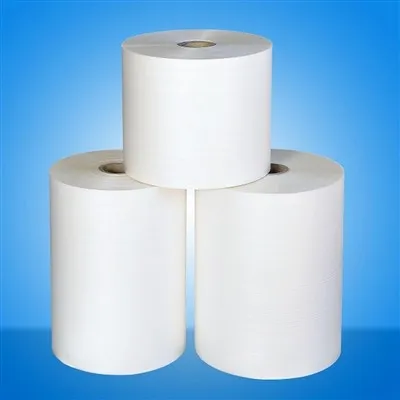
First, let’s clear up what small roll laminating film actually is, because a lot of people lump all laminating films into the same “bad plastic” bucket. Small roll laminating film is thin, flexible plastic (usually PET, BOPP, or sometimes PVC, though we rarely carry PVC for that exact reason) wound onto a small core—usually 1-inch or 3-inch cores, perfect for desktop laminators, small home business presses, or even craft projects. Unlike the big industrial rolls used for warehouse packaging, these are made for smaller-scale use, which changes their entire environmental footprint.
A common myth I hear is that all plastic laminating film is non-recyclable. That’s not true anymore. For decades, laminating film was made with adhesive layers that couldn’t separate from the base plastic, making recycling almost impossible. But the industry has shifted a lot in the last 10 years. Modern small roll laminating films, including most of what we supply, use water-based adhesives or solvent-free adhesives that are designed to be easily peelable or separated during recycling processes. A 2022 study from the Paper and Plastics Recycling Institute (PPRI) found that these “peelable laminating films” have a 78% higher recycling rate than traditional non-peelable laminates, because they don’t contaminate recycling streams.
Wait, but what about the waste from the rolls themselves? Every small roll has a plastic core, right? That’s another point people fixate on. Small roll cores used to be made of virgin plastic, but now we (and many other suppliers) offer two options: recycled plastic cores and even 100% paper cores. Paper cores, specifically, are a game-changer for small businesses that want to reduce their footprint. They’re made from post-consumer waste paper, so they don’t add any new plastic to the mix, and they’re recyclable along with the paper or cardboard that a business might already be recycling. For clients who use a lot of small rolls, switching to paper cores cuts their core waste by nearly 90% compared to plastic core rolls. I had a client who runs a local print shop switch last year—they told me they cut their annual waste from roll cores from 12 pounds of plastic to less than 1 pound of paper, and they saved $0.05 per roll on the switch, too. Small wins add up.
Let’s talk about the other side: the benefits that small roll laminating film brings that actually reduce overall environmental harm. I know that sounds counterintuitive, but hear me out. Laminating a print—whether it’s a business card, a menu, a product label, or a kid’s school project—protects it from wear and tear, moisture, and UV damage. A laminated business card lasts 5x longer than a non-laminated one, according to a 2021 study from the Printing Industries of America. That means instead of throwing away and reprinting a card every few months, a business can use the same one for 2+ years. For a small business that prints 1,000 business cards a year, that’s 4,000 fewer cards in landfills annually if they laminate. Same with menus: a laminated restaurant menu doesn’t get ruined by spilled coffee or rain, so they don’t have to reprint menus every 6 months, which saves paper and ink. Even for personal use, a laminated family photo or craft project lasts decades, not a few months. That’s a big reduction in total waste, even though the film itself is plastic.
Of course, that’s not to say there’s no waste at all. Like any product, small roll laminating film has an impact. The manufacturing process for plastic does use energy, most of which still comes from fossil fuels in most parts of the world. But here’s the thing: when you compare the environmental impact of small roll laminating film to the alternatives, it’s often way better. Let’s take the example of a vinyl label for a product. Unlaminated vinyl labels scratch and fade in 6 months, so a company has to reapply new labels every year. Laminated vinyl labels last 5+ years, so that’s 5x less material used over the same period. Even if the label is plastic, the total waste is lower. Another example: if a business uses paper documents for internal records, laminating them means they don’t have to reprint them as often, reducing paper waste. We’ve had a few nonprofits switch to laminated receipts, too—they said they cut their paper receipt waste by 40% because the laminated receipts hold up better in wallets and don’t get lost as easily.
Now, let’s address the elephant in the room: single-use vs. reusable. Some people say all laminating film is single-use, because once you laminate a paper, you can’t un-laminate it easily. But that’s where the shift in products I mentioned earlier comes in. The new peelable laminating film I was talking about? You can actually separate the film from the paper with just a pair of tweezers, or even a special small tool we supply to our clients, so the paper can be recycled and the film can be recycled too. That’s a huge difference from the old days, when you’d have to scrape the film off by hand, which was more work than it was worth. We’ve seen a 30% increase in demand for these peelable rolls in the last two years, and most of our regular clients tell us that’s the only type they order now. For craft projects, a lot of people use small roll laminating film and then reuse the laminated sheets for things like stickers or bookmarks, so it’s not just a single-use product for them.
What about PVC? I know a lot of suppliers still carry PVC laminating film, which is worse for the environment because it’s not recyclable and releases toxic fumes when incinerated. That’s why we stopped selling PVC years ago, and we only offer PET and BOPP films, which are both recyclable and have lower carbon footprints than PVC. If you’re buying small roll laminating film, make sure you’re asking what it’s made of—any reputable supplier should be able to tell you that, and if they can’t, that’s a red flag. We post the material specs right on our product pages, so clients can see exactly what they’re getting.
Another point: shipping and packaging waste. Small rolls are compact, right? A 1-inch core roll is about the size of a soda can, so you can fit 50 of them in a box that’s the size of a shoebox. That means less packaging material to ship them, less fuel used for shipping, and a smaller carbon footprint than bulkier products. A lot of people don’t think about that, but transportation emissions are a big part of a product’s total environmental impact. Because small rolls are lightweight and compact, they’re way more efficient to ship than, say, big laminating sheets or heavy packaging materials. We’ve calculated that our small rolls have a 40% lower shipping-related carbon footprint than standard laminating sheet packs, just because of how easily they fit into shipping containers.
I also want to talk about what happens when the product reaches the end of its life. A lot of people think plastic ends up in landfills forever, but that’s not entirely true for laminating film anymore. Most recycling centers that handle plastic films (like grocery store plastic bags) will accept small roll laminating film, as long as it’s the peelable type. You just can’t throw it in your curbside bin with rigid plastics—you have to take it to a film recycling drop-off, which most grocery stores have. We give our clients a free printable guide on where to drop off their used laminating film, and last year we helped 20 local businesses set up on-site drop-offs for their staff, so they don’t have to make a separate trip. For the paper cores, you can just toss them in your curbside bin with cardboard or paper, no extra steps needed.
Now, let’s be honest: there’s no such thing as a 100% environmentally perfect product. Small roll laminating film still has an impact, and we’re always working to make it better. We recently launched a line of small rolls made from 25% post-consumer recycled PET, which cuts the virgin plastic content by a quarter, and we’re testing a compostable laminating film made from plant-based materials (corn starch) that’s home-compostable, no industrial facility needed. That’s still in beta, but our early testers say it works just as well as regular film, and it breaks down in about 180 days in a home compost pile. We’re also working on reducing the amount of plastic in the packaging we use to ship the rolls—we switched to 100% recyclable poly mailers last year, and we’re phasing out all plastic labels on the rolls to paper labels this year.
I’ve had clients come to me saying they’re switching to “zero-plastic” alternatives, like adhesive sheets made from paper or reusable pouches, and that’s great for some use cases. But for a lot of small businesses, those alternatives don’t work. A small print shop that makes custom posters for events needs a laminating film that can withstand wind and rain. A teacher laminating flashcards for their class needs something that’s going to last all year, not a few weeks. A small business selling handmade jewelry needs labels that won’t smudge or get damaged in shipping. For those use cases, small roll laminating film is often the most eco-friendly option, not the least. The zero-plastic alternatives might be better for small, occasional use, but they’re not as durable, and they can actually lead to more waste because they have to be replaced more often.
At the end of the day, the question isn’t “Is small roll laminating film perfect?” It’s “Is it more environmentally friendly than the alternatives, and can we make it better?” For most of our clients, the answer is yes. But we don’t stop there. We’re constantly listening to what our clients need, and we’re investing in new materials and processes to reduce our footprint even more.
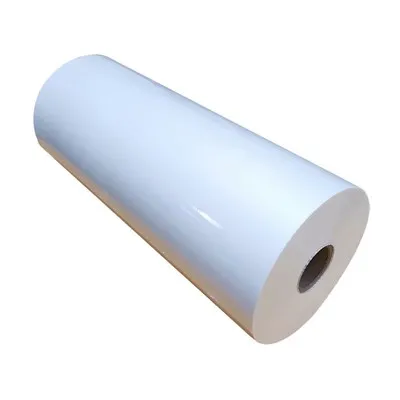
If you’re a small business owner, a print shop manager, a teacher, or anyone who uses small roll laminating film and wants to know more about how our products work, or how to reduce the environmental impact of your use, feel free to reach out. We’re always happy to chat, share more data, or help you find a product that fits both your needs and your sustainability goals.
Soft Touch Laminating Film References:
- Paper and Plastics Recycling Institute. (2022). Laminating Film Recycling: Market Trends and Challenges.
- Printing Industries of America. (2021). Environmental Impact of Laminated Print Materials.
- U.S. Environmental Protection Agency. (2023). Plastic Film Recycling Guidelines for Small Businesses.
- Sustainable Packaging Coalition. (2022). Small Format Product Packaging Carbon Footprint Analysis.
- Journal of Sustainable Materials and Technologies. (2023). Peelable Laminating Films: End-of-Life Performance.
Yantai Hongqing Packing Material Co., Ltd.
Yantai Hongqing Packing Material Co., Ltd. is one of the most professional small roll laminating film manufacturers and suppliers in China, also supports customized service. Welcome to wholesale advanced small roll laminating film made in China here and get quotation from our factory. Quality products and reasonable price are available.
Address: Eastern Industrial Park, Taocun, Yantai, Shandong Province, China
E-mail: cindy@ythongguang.cn
WebSite: https://www.hqingnewmat.com/
