As a plastic crate supplier, I’ve spent over a decade observing how small warehouse operators, agricultural distributors, and retail logistics teams struggle with a common, costly problem: cracked plastic crates. A single damaged crate might seem like a minor inconvenience at first, but multiply that by 1,000 units in a fleet, and you’re looking at thousands in replacement costs, delayed shipments, and even product damage that erodes customer trust. I’ve fixed cracked crates for hundreds of clients, and along the way, I’ve learned that prevention isn’t just about buying a “sturdy” crate—it’s about combining proper usage, maintenance, and product selection with science-backed practices that fit your unique operational needs. Today, I’m sharing what I’ve taught my clients to stop crates from cracking before they happen. Plastic Crate
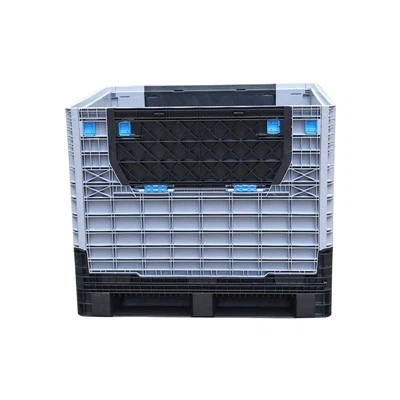
First, let’s talk about why plastic crates crack in the first place—because solving a problem starts with understanding its root causes. Most of our crates are made from high-density polyethylene (HDPE), a material prized for its durability, flexibility, and resistance to moisture. But HDPE isn’t indestructible. Cracks usually form from one of three forces: impact, stress, or environmental degradation. Impact cracks happen when crates are dropped from loading docks, stacked unevenly onto hard surfaces, or rammed against fork tines at high speed. Stress cracks, on the other hand, are subtle but often more persistent—they form over time from repeated heavy loads, overstacking beyond a crate’s rated capacity, or even pulling crates too roughly when nesting or retrieving them from a pallet. Then there’s environmental cracking, which occurs when crates are exposed to extreme temperatures, harsh chemicals (like cleaning agents or agricultural fertilizers), or prolonged UV light from being stored outdoors year-round. I’ve seen clients try to use food-grade HDPE crates for industrial chemical storage, and those cracks started appearing within six months. Matching your crate’s material to its environment is the first line of defense, and that’s where many small operations go wrong.
Let’s start with the easiest, most impactful prevention tip: get the right crate for your load and use case, not just the cheapest one. When a client comes to me with a history of cracked crates, my first question is always, “What are you carrying, and how are you moving it?” If you’re transporting heavy items like glass bottles, metal parts, or bulk produce that weighs 50+ pounds per crate, a standard lightweight HDPE crate will never hold up. Standard crates often have a 300-pound dynamic load rating (the weight they can safely carry while moving) but only a 600-pound static load rating (the weight they can hold when stacked stationary). If you stack four standard crates on top of each other, that’s 1,200 pounds of pressure on the bottom crate—way above its rated static capacity, and that’s a recipe for stress cracks along the base. For heavy loads, I always recommend our heavy-duty polypropylene (PP) crates, which have a thicker wall and a reinforced ribbed base. The extra rigidity doesn’t make them brittle, though—PP has a higher melting point than HDPE, so it’s better for warehouse floors where crates might be dragged across rough concrete, and it resists chemical exposure better for clients in agriculture or food processing.
Even if you have the right crate, how you load and handle it makes a difference. I’ve seen warehouse teams overstuff crates to the point where the sides bulge, and every time they pick it up by the edge, pressure concentrates on that small area, leading to cracks. The rule here is simple: fill crates no more than 90% of their maximum volume. For produce, that means leaving a little headspace so fruits and vegetables don’t shift during transport, which reduces sidewall stress. For heavy items, distribute the weight evenly—don’t stack all the heavy parts on one side of the crate. When handling crates, teach your team to lift by the bottom corners, not the side handles if the crate is full. Side handles are designed for empty or half-full crates; a full, 50-pound crate pulled by the handle creates a lever effect that bends the sidewall and leads to cracks over time. I also recommend avoiding using crates as temporary ladders or step stools—another common mistake I’ve seen, especially in small warehouses where people need to reach high shelves. That kind of sudden, uneven weight is enough to crack even a heavy-duty crate overnight.
Next, storage practices are a huge, often overlooked factor in preventing cracks. Many clients store crates outside year-round, exposed to sun, rain, and fluctuating temperatures, and they’re surprised when the crates start becoming brittle or developing cracks. HDPE and PP both have good UV resistance, but not all crates are created equal. Our standard outdoor-grade crates include UV inhibitors added during the manufacturing process, which slow down the breakdown of the plastic from sun exposure. If you’re using crates outdoors, always choose this UV-stabilized variant—our indoor-only crates don’t have that additive, so they’ll lose flexibility in as little as two years, making them prone to cracking. Temperature also matters: if you’re storing crates in a cold warehouse or a refrigerated facility, HDPE becomes stiffer and more brittle. In those conditions, avoid dropping crates from height, and make sure you don’t stack more than two high (instead of four, which is standard for room-temperature storage) because the lower crates are more likely to crack under pressure. For long-term storage, don’t stack crates higher than five high, and place them on a flat, level surface. Uneven pallets or concrete floors with cracks can put uneven stress on the bottom crate, leading to persistent stress cracks over time. If you have to store crates outside, use a tarp or a simple storage shed to reduce their exposure to extreme temperatures and direct sun.
Regular maintenance and small repairs can prevent small cracks from becoming big, costly problems. A lot of clients wait until a crate has a large, visible crack before replacing it, but even a tiny surface crack (called a “micro-crack”) can expand quickly with repeated stress. For small cracks (less than an inch long), you can use hot air welding to seal them—this works for both HDPE and PP, as it melts the plastic to bond the crack from the inside out. For larger cracks, I recommend not trying to repair them, but a quick inspection of your crate fleet every month can catch issues early. Train your team to check for cracks when they load and unload crates, so damaged ones are pulled out of service immediately instead of being used until they fail. I also recommend cleaning crates regularly—grime, mold, and salt from agricultural produce can eat away at plastic over time, especially if you’re using harsh cleaning chemicals. If you clean crates with pressure washers, keep the pressure below 1,500 PSI, and avoid directing the nozzle directly at crevices or weld lines—high pressure can blow out small cracks or damage the crate’s structure.
There’s also a common misconception that heavier crates are always more durable. In my experience, over-engineered crates aren’t just unnecessary—they cost more, and they’re often harder to handle, leading to more impact damage. The sweet spot is matching the crate’s weight, material, and design to your specific use case. For example, grocery stores transporting small, lightweight items like milk crates don’t need heavy-duty industrial crates—those are too bulky and heavy, making them easier to drop. Instead, our lightweight HDPE milk crates with reinforced edges are perfect for that use case, and they’re designed to resist the small impacts and repeated stacking that comes with grocery supply chains. Agricultural clients transporting soft produce like strawberries, on the other hand, benefit from crates with slotted sidewalls that allow air circulation, which reduces moisture buildup and prevents the plastic from degrading faster. The key is that there’s no one-size-fits-all solution—when you work with a supplier, they should ask you detailed questions about your operation to recommend the right crate, not just push the most expensive option.
I’ve seen clients save thousands of dollars a year just by adjusting these small practices. One of my recent clients, a regional produce distributor, was going through 200 crates a quarter due to cracks. After switching to UV-stabilized heavy-duty crates for their bulk produce and training their team to load crates to 85% capacity and stack only three high, they cut their replacement rate by 80% in six months. Another client, a small e-commerce fulfillment center, was using generic crates for small parcels and had a lot of cracks from dragging crates across concrete. After switching to our lightweight, reinforced edge crates and adding rubber mats to their warehouse floors, they eliminated crate-related damage to parcels entirely.
If you’re dealing with cracked plastic crates in your operation, you don’t have to keep replacing them or dealing with the downtime and cost that comes with it. At our company, we specialize in custom solutions for every type of operation, from small family-run farms to large national logistics networks. We can assess your current crate fleet, recommend the right materials and designs for your use case, and even provide training for your team on proper loading, handling, and storage. Whether you need a small batch of replacement crates for your warehouse or a custom fleet tailored to your unique operational needs, we’re here to help. To discuss your specific challenge and find a solution that works for you, feel free to reach out for a consultation.
Attached Lid Container References:
- Plastics Industry Association. (2021). HDPE and Polypropylene Properties for Industrial Packaging.
- American Society of Logistics Engineers. (2022). Best Practices for Material Handling Crate Durability.
- Agricultural Plastics Association. (2020). UV Stabilization for Plastic Crates in Outdoor Storage.
- Food and Drug Administration. (2019). Guidelines for Plastic Food Contact Materials to Prevent Degradation.
- Journal of Manufacturing Processes. (2021). Stress Crack Prevention in Thermoplastic Crates for Heavy Load Applications.
Shanghai Qusheng Plastics Co., Ltd.
As one of the leading plastic crate manufacturers and suppliers in China, we have world-leading production equipment and strong manufacturing capabilities. Please rest assured to wholesale customized plastic crate from our factory. For quotation, contact us now.
Address: No.85 Hengtang Road, Huaqiao Town, Kunshan City, Jiangsu Province
E-mail: Totepallet-inquiry@plastic-crate.com
WebSite: https://www.totepallet.com/
