If you’ve ever ordered a custom printed sticker, a roll of thin plastic for snack bags, or a label that sticks to your water bottle, you probably didn’t stop to think about how that product gets from a flat, messy sheet of raw material to a neat, tightly wound roll ready for packaging. That’s where we come in—we’re a slitter rewinder supplier, and one of the most common questions our customers hit us with is, “Wait, what even can your machines process?” Slitter Rewinder
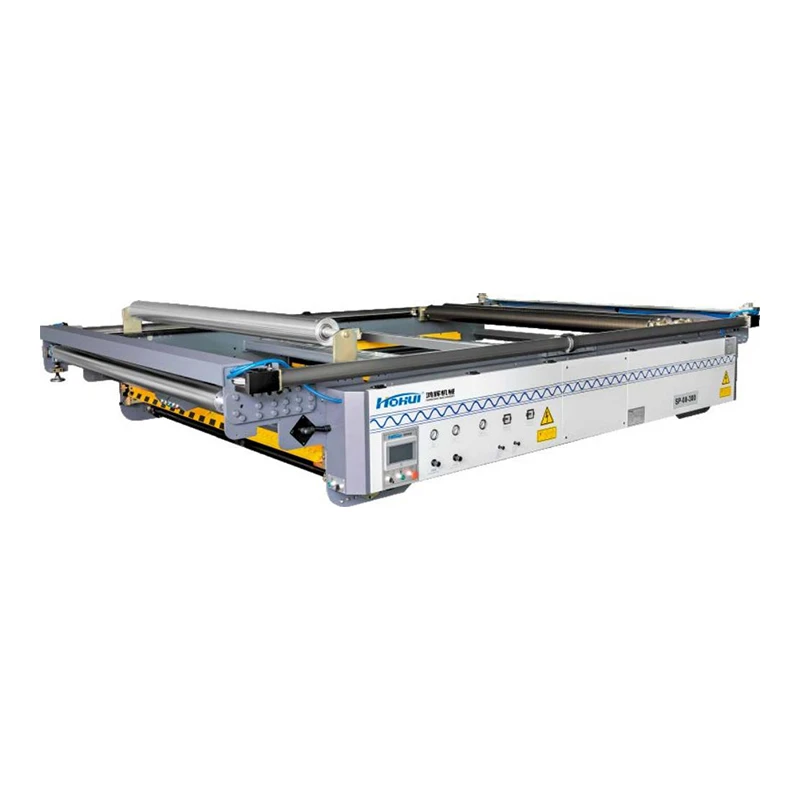
It’s a fair question, actually. A lot of people picture slitter rewinders as just for paper, right? But no—these machines are designed to handle an insane range of materials, each with its own quirks, and it takes knowing what we’re working with to get a clean, consistent roll without wrinkles, tears, or weird tension issues. Let’s break down the stuff we (and other good slitter rewinder operators) process every single day.
First up, paper—super basic, but way more varied than you’d guess. Not just copy paper, either. We process everything from thin, lightweight tissue paper (think the stuff in gift bags) to heavy-duty cardboard stock that’s thick enough for cereal boxes. Then there’s the specialty paper: thermal paper for cash register receipts, which is coated with that heat-sensitive goop that changes color when you print it. We have to adjust the machine’s tension super carefully here because if it’s too tight, the thermal coating can scratch off, and if it’s too loose, the roll will end up all lopsided. We also handle label paper, which is a bit different—it’s usually coated on one side with adhesive, so the slitter has to be sharp enough to cut through the paper without gumming up the blades with glue. Newsprint too, though that’s trickier because it’s super absorbent and can stretch if the humidity’s off, so we keep a close eye on the machine’s environment when we run that.
Next, plastic and film products—this is where the slitter rewinder’s versatility really shines. Everyone knows plastic wrap, but we do so much more here. Polyethylene (PE) is a big one—low-density PE (LDPE) is the stretchy stuff for grocery bags and packaging, while high-density PE (HDPE) is sturdier, used for milk jug liners or rigid packaging films. Then there’s polypropylene (PP), which is heat-resistant, perfect for microwaveable food containers or snack bags that seal tight. We also process PET film—you know, the clear, strong stuff used for water bottles, or even the glossy film that wraps around product labels.
Wait, and there are specialty films too, like biaxially oriented polypropylene (BOPP) which is used for candy wrappers because it’s thin, strong, and doesn’t tear easy. Then there’s shrink film, which is a whole other beast—when you process that, the tension has to be just right because if you pull it too hard, it can shrink prematurely, making the final roll useless. We even handle metallized films—those are the shiny, metallic-looking films used in potato chip bags to keep air out. The metal coating is super thin, so we have to use low-tension slitting to avoid scratching the metal layer and ruining the barrier properties. That one’s a customer favorite because it’s so versatile for food packaging.
Then there’s foil and laminates—oh man, this is a category that trips up a lot of new operators, but we do it all. Aluminum foil is a big one, obviously for food packaging, but also for insulation and even some electronic components. Foil is super thin and tear-prone, so we use ultra-sharp blades and really gentle tension systems to keep it from tearing while we cut it into strips. Then there are laminates—this is when two or more materials are stuck together, like a foil-paper combo, or a plastic film with an adhesive layer. Laminates are used for things like coffee bags, which need to be airtight (thanks to the foil) and printable (thanks to the paper side). The tricky part with laminates is that each layer expands and contracts differently with temperature and humidity, so we have to calibrate the slitter rewinder’s tension controls super precisely to keep the layers from separating or bubbling while we slit and rewind. I’ve seen way too many bad rolls where the laminate starts peeling apart halfway, and that’s almost always a tension issue we could’ve fixed with the right settings.
Fabrics and non-wovens—you might not think of fabrics as something a slitter rewinder would process, but we do. Non-woven fabrics, especially, are huge for things like disposable face masks, baby wipes, and medical gowns. Non-wovens are made from pressed fibers, not woven, so they’re soft but can be a bit stretchy, so we use slitting blades that don’t fray the edges and a rewinder that can handle stretchy materials without bunching. We also process woven fabrics, like cotton or polyester, usually for industrial uses—think conveyor belts, or fabric tape for packaging. The big thing here is that woven fabrics have a grain, so if we don’t align the slits right, the edges can fray a lot, so we use guide rollers to keep the fabric straight through the machine.
Wait, what about more niche stuff? Yeah, we get requests for that too. Things like adhesive tapes—packing tape, duct tape, even medical tape. Adhesive tape is tricky because the sticky side can get stuck to the slitter parts, so we have to use special anti-stick coatings on the blades or adjust the machine’s tension to keep the tape from sticking. Then there’s release liner, which is the thin paper or plastic layer that’s stuck to adhesive (think the back of a sticker). We process that too, because sticker manufacturers need it slit into narrow rolls for their printing equipment.
Even some electronic materials—we process thin, flexible films used in printed circuit boards (PCBs) and even some battery components. Those materials are super thin and precise, so we have to use high-accuracy slitting with no burrs, because even a tiny rough edge can mess up the electronics. It’s way more high-stakes than processing paper for stickers, and that’s where a good slitter rewinder (and a good operator who knows the material) makes all the difference.
A lot of people ask, “Can your machine process [insert random material here]?” and 9 times out of 10, the answer is yes—we just have to adjust the settings. But here’s the thing: it’s not just the machine, it’s how you set it up for each material. For example, thin tissues need low tension so they don’t stretch or tear, while heavy cardboard needs higher tension to keep the roll tight. Shrink film needs a special rewinding system that doesn’t pull too hard, and foil needs ultra-sharp blades to avoid fraying.
We’ve seen people try to use the same settings for paper and metallized film, and it never works. The metallized film would scratch, or the paper would wrinkle, and they end up wasting a whole roll of material—no small deal, because a lot of these materials are pretty expensive. That’s why, when you’re looking for a slitter rewinder, you don’t just want a machine that can “process materials”—you want a supplier that knows how to tweak it for every specific material, so you don’t waste time or money on bad runs.
Here’s a pro tip we give to new customers: if you’re not sure if your material will work, just send us a small sample. We can test it on our machines to show you how it comes out, and adjust the settings so you know what to expect. A lot of people hold back because they think it’s a hassle, but it saves you from ordering a machine that can’t handle your specific products, or messing up a big order because of a wrong setup.
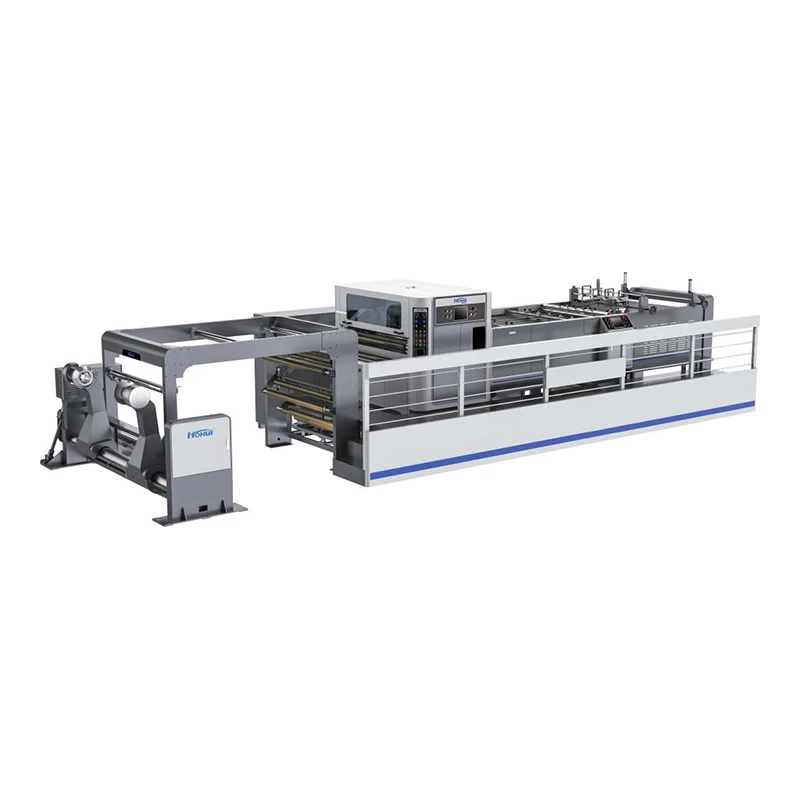
At the end of the day, slitter rewinders are workhorses, but they’re not one-size-fits-all. The best ones can handle everything from tissue to metallized film, but only if the operator knows the material. If you’re in the market for a slitter rewinder, or you’re looking to upgrade your current setup to process new materials, we can help. We’ve worked with small print shops that just need to slit custom labels, to large packaging companies that run tons of different materials daily, so we know how to tailor the machine (and the setup) to your needs. Don’t guess—reach out, send us your material specs or a sample, and we can walk you through what works for you.
Turret Slitter Rewinder References
- Slitting and Rewinding: Principles, Applications, and Troubleshooting, 2nd Edition, Industrial Press Inc.
- Flexible Packaging Materials: Properties and Processing, Institute of Packaging Professionals
- Non-Woven Fabric Slitting Techniques, Textile Industries Association
- Tension Control in Web Processing, Society of Manufacturing Engineers
Honghui Machinery Equipment Co., Ltd.
As one of the most professional slitter rewinder manufacturers in China, we have world-leading production equipment and strong manufacturing capabilities. Please rest assured to buy advanced slitter rewinder made in China here from our factory. We also accept customized orders.
Address: No.28, Liuheng Road, Changping Town, Dongguan City, Guangdong Province, China
E-mail: info@cnhohui.com
WebSite: https://www.cnhohui.com/
