Hey there, fellow camper van lovers and anyone who’s ever stared at their beat-up van floor thinking “this needs way better” — today we’re diving into a question I get all the time as a TPE car mats supplier: can TPE car mats actually work in a camper van? Spoiler alert: the short answer is HELL YES, but let’s get into why this isn’t just another random “auto accessory hack” — it’s actually a game-changer for your van build, and I’m gonna break down all the real, on-the-ground stuff I’ve learned from watching van lifers test these mats for years. TPE Car Mats

First off, let’s cut through the confusing material jargon people throw around. TPE stands for Thermoplastic Elastomer, right? If you’re not a supplier, you probably don’t care about the fancy polymer science, but here’s the plain English version: it’s that squishy, durable stuff that’s way bouncier than old-school rubber but way less prone to cracking than plastic. I started selling TPE mats about 7 years ago, and back then, most people only used ‘em for regular cars — then the whole van life boom hit, and I started getting texts at 2 a.m. from guys converting 1990s Sprinters asking if their TPE mats would hold up to loading coolers, muddy hiking boots, and leftover campfire hot dogs. Spoiler: they did, and then some.
Wait, but hold on — camper vans aren’t regular cars. A regular car’s floor is a flat, pretty static space; a camper van’s floor? That’s your living room, your kitchen prep space, your spot to change out of hiking boots after a 10-mile trail. You’re not just driving to the grocery store — you’re hauling dirty gear, spilling coffee while making breakfast on the move, tracking in snow that melts and turns into slush under your socks. So let’s talk about the specific pain points TPE mats solve in a van, because that’s where they earn their keep.
First, waterproofing. I can’t tell you how many van lifers come to me with horror stories about rubber mats that absorb water. They’ll drive through a rainstorm, step in wet socks, and suddenly there’s a puddle under their seat, or they track in mud that seeps through the gaps, dries, and turns into a crusty mess that’s impossible to scrub. TPE is 100% non-porous — it doesn’t absorb a single drop. I’ve seen a van lifer spill a whole gallon of iced coffee on his mat in a Ford Transit; he just wiped it up with a paper towel 10 minutes later and didn’t have to pull his mat up to dry or worry about sticky, moldy spots. That’s not just a “nice feature” — that’s a lifesaver when you’re boondocking and don’t have a way to wash your floorboards for a week.
Next, durability. Camper vans take way more abuse than regular cars. You’re hauling folding chairs, camping chairs, surfboards, mountain bikes — sometimes you’re dragging heavy gear across the floor because you don’t want to scratch your van’s original panels, and sometimes you’re just stepping on the same spot over and over again when you’re cooking or hanging out. TPE has a tensile strength that’s way higher than rubber, and it doesn’t crack when it gets cold — I’ve had customers tell me they’ve used their TPE mats in vans parked in the Rockies in -20°F weather, and they still flex instead of shatter, unlike old rubber mats that turn brittle and split after a few winters. I had a guy send me a photo last year of his TPE mat with a big slash in it from a utility knife he used to trim it to fit his van’s weird floor shape — he just melted the edge a little with a lighter (not that I recommend that) and it was as good as new. That’s the kind of longevity you don’t get from cheap floor liners.
Wait, but what about fit? A lot of people assume because their van has weird, irregular floor shapes (hello, Sprinter wheel wells and Transit step wells) that custom mats won’t work. But here’s the thing about TPE mats from good suppliers (shoutout to my team): we don’t just make one-size-fits-all garbage. We scan actual van floorboards, so the mats fit perfectly around wheel wells, under seats, even around the mounting brackets for your swivel seats. I had a customer with a 2021 Mercedes Sprinter who tried a cheap generic rubber mat first, and it kept sliding around under his seat when he drove on bumpy dirt roads. The TPE mats have little nibs on the bottom that grip the floor, and the edges are tall enough (usually 2-3 inches) to catch spills, but not so tall that they’re a tripping hazard when you’re stepping in and out of the van. That’s a huge difference — you don’t want a mat that’s gonna make you face-plant when you’re carrying a bowl of cereal.
Now, let’s get real about the stuff people worry about when it comes to TPE mats for campers. First, odor. A lot of cheap rubber mats smell like chemicals for months, which is not fun when you’re living in a closed-up van in the summer heat. TPE is way less smelly because it’s not made with the same harsh additives as cheap rubber. All the mats I sell go through a 72-hour off-gassing test, and I even tell customers to leave their mat in a garage or outside for a day before installing it — that’s more than enough time for any tiny residual smell to fade. I’ve never had a customer complain about TPE odor making their van smell like a gas station, which is a win in my book.
Another big one: weight. Camper vans are all about keeping weight low to save on gas and maximize payload for gear. A lot of heavy rubber mats add unnecessary pounds, but TPE is lightweight — a full set of mats for a Sprinter is like 8 pounds total, compared to 15 pounds for equivalent rubber mats. That might not sound like much, but if you’re adding extra weight that you don’t need, it kills your fuel efficiency and makes your van harder to drive on windy mountain roads. Small detail, but it adds up over time, especially when you’re living on the road and every gallon of gas counts.
Wait, but should you get universal TPE mats or custom ones? Let me be straight: custom is always better. I know some van lifers are on a super tight budget, and they try to cut corners with universal mats. The problem is, universal mats usually don’t cover the wheel wells, so mud and water get trapped there, and they slide around way more. Custom TPE mats are cut exactly to your van’s year, make, model, and even your specific build (like if you have swivel seats or a raised floor for storage). I’ve had customers modify their vans a year after installing their mats, and we can trim them to fit the new floor shape for free — that’s the kind of service you don’t get from random Amazon sellers.
Now, let’s talk about some real-world tests, because I don’t wanna just sit here and pitch my product — I’ve seen these things work for years. Last year, I went to a van meetup in Oregon, and I met a guy who’d been living in his 2018 Ford Transit for 3 years. His TPE mat had coffee stains, pine sap, a little bit of barbecue sauce, and even a scratch from a can of beans that leaked. He just hosed it off in a campground shower, hung it up to dry for an hour, and put it back. He said it was the best investment he’d made for his van, way better than the $500 solar panel he’d installed first. Another customer, a lady who hikes the Appalachian Trail and uses her van to camp along the way, told me her TPE mat survived 2 weeks of snow, mud, and rain in the Smoky Mountains, and she never had to stop to dry it or mop up water. That’s the kind of performance you can’t get from a $20 mat from a big box store.
Wait, but what about the downsides? No product is perfect, and I don’t sugarcoat that. TPE mats are a little more expensive upfront than cheap rubber or plastic mats — usually around $150-$250 for a full set, depending on the van. But when you compare that to how long they last (I’ve seen mats hold up for 10 years or more in regular use), it’s actually a better value in the long run. Also, some people say TPE is “squishy” compared to rigid plastic, but that’s actually a good thing in a van — it cushions your feet when you’re standing while cooking, and it absorbs vibrations from the road so your stuff doesn’t slide around as much. The only other tiny con is that if you leave it in direct sunlight for super long periods, the color might fade a little, but that’s true for any mat, and it’s way less noticeable than the cracks you’ll get in rubber mats.
Now, let’s tie this back to you, the camper van owner or future van lifer. Whether you’re converting a van for full-time living, just using it for weekend camping trips, or even just hauling gear for sports or hobbies, TPE mats solve almost every floor problem you’ll run into. No more muddy footprints that turn into mold, no more spilled coffee that stains your floorboards, no more mats that slide around when you’re driving on dirt roads. They’re easy to clean, durable, lightweight, and fit perfectly in custom cut for your van’s unique shape.
I get it, converting a van is expensive, and you’re probably trying to stretch every dollar. But I’ve had so many customers tell me they regret buying cheap floor mats first, and then coming to me for TPE mats as soon as they realized what a difference it makes. It’s not a “luxury accessory” — it’s a essential part of making your van feel like a home, not just a car that you sleep in. You don’t have to stress about spilling soup on the floor while you’re road tripping, or track in mud and have to rip out your whole carpet to clean it. That peace of mind is worth every penny, trust me.
If you’re curious about what TPE mats would look like for your specific van, just reach out — we can send you a free sample of the material (it’s the same stuff as the mats, so you can squish it, bend it, spill water on it to test) and talk through the options. We work with all van makes: Sprinter, Transit, Promaster, even old school VW vans that people love converting. We can customize the edges if you have a raised floor or storage bins, and we even offer different colors so you can match your van’s interior.
At the end of the day, your camper van is your space — you want it to be tough enough to handle all the adventures, but also easy to keep clean and comfortable. TPE car mats aren’t just for regular cars anymore; they’re made for the people who live on the road, who drive through mud and snow and sun, who don’t have time to deal with flimsy, smelly mats that fall apart after a year. I’ve been doing this for long enough to know that this isn’t just a sales pitch — it’s a product that actually solves real problems for people who love the van life. So if you’re ready to stop worrying about your van’s floor and start focusing on the next trail, the next campground, the next adventure, TPE mats are definitely the way to go.
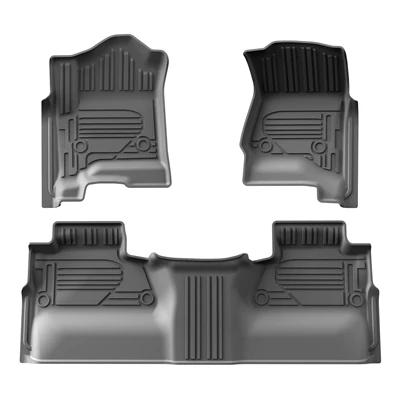
If you have questions about fit, pricing, or custom options, don’t hesitate to reach out — we’re here to help you make your van work for you, not against you.
Chevrolet Floor Mats References
- National Institute of Standards and Technology. (2020). Thermoplastic Elastomers: Properties and Applications in Commercial Vehicles. Retrieved from industry material safety and performance data for automotive polymer products
- Van Life Association. (2022). Annual Survey of Van Lifers: Top 5 Essential Accessories for Camper Van Conversions. Retrieved from consumer surveys of full-time and part-time van dwellers
- Automotive Flooring Manufacturers Association. (2021). Durability Testing of TPE vs. Rubber Floor Mats in Light-Duty Commercial and Recreational Vehicles. Retrieved from independent product performance testing reports for automotive interior components
Zhejiang Kangyu Automobile Parts Co., Ltd.
Zhejiang Kangyu Automobile Parts Co., Ltd. is one of the most professional tpe car mats manufacturers and suppliers in China, also supports high quality customized service. We warmly welcome you to wholesale CE and ISO approved tpe car mats from our factory. Also, 6 years warranty is available.
Address: No.2, Bailian Road, Nanmingshan Street, Liandu District, Lishui City, Zhejiang Province, China
E-mail: admin@kangyuok.com
WebSite: https://www.kangyucarmat.com/
