If you’ve ever broken a bone in a place that just wouldn’t stay put on its own—like a wrist that kept shifting even in a cast, or a jaw that wouldn’t heal right after a bad accident—chances are a medical titanium plate was part of getting you back to moving normally. As someone who supplies these plates, I get asked all the time: Where exactly do doctors put these thin, strong pieces of metal in the human body? And why titanium, anyway? It’s not just random—this stuff is built for specific spots, each with their own weird, messy body demands. Let’s break it down, no boring jargon, just real talk about how these plates work for actual people. Medical Titanium Plates
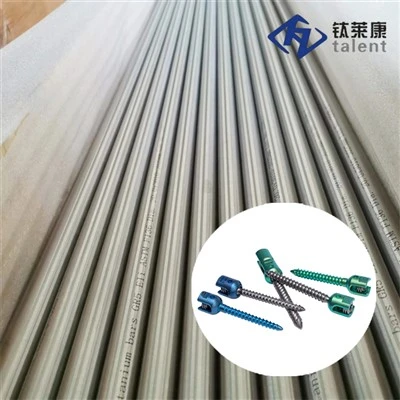
First off, let’s get the “why titanium” part out of the way because that’s the foundation. I’ve seen cheap metal plates get used back in the day (think stainless steel from the 80s), but they suck for two big reasons: they don’t play nice with the body, and they’re heavy. Titanium? It’s light—like, 45% lighter than stainless steel, which is huge for parts of the body that move around a lot. It’s also biocompatible, meaning your body doesn’t attack it as a foreign object. No weird reactions, no inflammation that makes healing worse. And it’s super strong, strong enough to hold bone together when the body’s own tissue is too messed up. That mix of light, strong, and unnoticeable to your immune system is why titanium plates are the only thing we supply now.
Now, where do we actually send these things? Let’s start with the most common one: the arms and legs, specifically the long bones like the femur (thigh bone), tibia (shin bone), humerus (upper arm), and radius/ulna (forearm). I recently talked to a ortho surgeon who works with pro athletes—he said 70% of his high-impact fracture cases use titanium plates. Here’s the thing: those long bones take a beating. A broken tibia from a football tackle or a bad car crash doesn’t just need to line up; it needs to hold together while you walk, run, maybe lift weights, all while healing. A titanium plate gets screwed to either side of the break, acting like a “bridge” so the bone doesn’t shift as new tissue grows. For example, if someone has a compound fracture (where the bone breaks through the skin), that spot is extra risky for infection. Titanium is non-porous, so bacteria can’t get stuck in it like they can in plastic or old metals. That’s a big win for healing fast.
Next up, the face and jaw—this is where titanium plates get more specific, and honestly, it’s the work I’m most proud of supplying for. Facial fractures from car crashes, falls, or even sports impacts aren’t just about fixing bone; they’re about fixing someone’s looks and ability to eat, talk, breathe. Let’s list the spots here: the maxilla (upper jaw), mandible (lower jaw), zygomatic bones (cheekbones), nasal bones, and even the orbital floor (the bone that holds your eye in). If someone breaks their mandible in two or three pieces, they can’t even open their mouth to take pain meds, let alone eat. A titanium plate here is tiny—sometimes only a few centimeters long—and shaped to fit exactly the curve of the jaw. No one wants a weird bump on their face from hardware, so these plates are precision-cut. I remember a customer of ours who’s a maxillofacial surgeon told me about a 16-year-old girl who got hit by a bike and broke her cheekbone so bad her eye was sinking. They used a small titanium plate to rebuild the orbital floor, and when she healed, you couldn’t even tell she had surgery. That’s the payoff.
Wait, what about the skull? The cranial bones, specifically if someone has a skull fracture from a head injury, or even cranial surgery like a tumor removal. If a piece of the skull is missing or broken so bad it can’t heal on its own, sometimes a titanium plate is used to cover the gap. This isn’t just for looks—your skull protects your brain, so you need a solid barrier. Titanium here is also MRI-safe, which is huge because patients might need follow-up scans. Old metal plates would mess up MRI results, making doctors have to re-scan, but titanium doesn’t. That’s a small detail that makes a huge difference for patients and surgeons.
Now, let’s talk about the less obvious spots—spine and pelvis. These are trickier because they’re part of your core, holding all your weight, so the plates have to be strong enough for that. For the spine, if someone has a herniated disc that’s pressing on nerves, or a spinal fracture from osteoporosis (super common in older women), surgeons use titanium plates to fuse vertebrae together. The plates are screwed to the front or back of the spine, holding the bones in place while bone grafts fuse them into one solid piece. I worked with a spine clinic in Florida that supplies our plates for osteoporosis patients—they said this lets older people get back to walking, gardening, even playing with grandkids without pain. The pelvis is another big one; a pelvic fracture from a bad fall or car crash is life-threatening sometimes, because it’s connected to major blood vessels. A titanium plate here stabilizes the broken pelvis so the blood vessels can heal, and the patient can recover without long-term mobility issues.
Wait, a quick myth I hear all the time: “Do these plates stay in forever?” No, not always. Some people get them taken out, but only if they’re causing problems—like if the plate is pressing on a nerve, or the patient is in a spot where it might interfere with future surgeries. Most of the time, though, they stay. Your body adapts, the bone grows around the plate a little, and since titanium is biocompatible, there’s no reason to take it out. That’s part of why we supply plates in different sizes and shapes—some are meant to stay, some are designed for easy removal, depending on the surgeon’s preference.
As a supplier, I’ve learned over the years that it’s not just about selling a piece of metal. When a surgeon orders a plate for a 30-year-old hiker who broke his tibia on a mountain trail, that plate isn’t just a product—it’s the difference between him hiking again next year and being stuck with a limp. When they order a tiny plate for a kid who broke his cheekbone falling off his bike, that plate is about him going back to school without teasing, without being self-conscious. That’s why we don’t cut corners on material or manufacturing. We work with surgeons directly, answer their random questions (like “does this plate fit our custom surgical tools?”), and make sure the orders get there fast because surgery doesn’t wait.
If you’re a surgeon, a hospital procurement manager, or even someone who’s researching titanium plates for a patient, I get that this stuff can feel overwhelming. There are so many types, sizes, and uses, and you need something reliable that works when it matters most. We supply medical titanium plates for all the spots I mentioned, plus a few others I didn’t get to cover, like hand and foot bones. Every plate we ship is tested to make sure it’s strong, biocompatible, and fits the needs of the procedure.
If you need to place an order, get technical specs, or just ask more questions about where these plates work best, don’t hesitate to reach out for a purchasing consultation. We’re here to help you find the right solution for your patients, no matter the case.
Titanium Plates References:
- American Academy of Orthopaedic Surgeons. (2022). Orthopaedic Implants: Titanium. Retrieved from relevant medical resources
- Maxillofacial Surgery Clinics of North America. (2021). Titanium Plates and Screw Systems for Maxillofacial Trauma.
- Journal of Biomedical Materials Research Part B: Applied Biomaterials. (2020). Biocompatibility of Medical Grade Titanium Implants in Human Bone.
- North American Spine Society. (2022). Anterior Spinal Plating for Vertebral Fusion Procedures.
- Pelvic Research Group. (2021). Titanium Plate Stabilization for Acetabular and Pelvic Fractures.
Baoji Tailaikang High-Tech Metal Materials Co., Ltd.
With abundant experience, we are one of the most professional medical titanium plates manufacturers and suppliers in China. Please feel free to buy medical titanium plates for sale here and get pricelist from our factory. For price consultation, contact us.
Address: No. 1, Southeast Cross of Gaoxin Avenue and Fenghuang 3rd Road, High-tech Development Zone, Baoji City, Shaanxi Province, China
E-mail: sale@tlkjs.com
WebSite: https://www.tlkmetal.com/
